
Forgiveness and reconciliation is a part of Malay-Muslim spirituality and culture. The Malay culture which values ‘budi’ (benevolence) at the highest virtue, is enriched by the Islamic concept of ‘salaam’ which means peace and wellbeing, but that can further bring other connotations such as reconciliation, kinship and solidarity. During Hari Raya, the gesture of asking for forgiveness by kissing the hands of the elders, and also the wishing of “Maaf Zahir Batin” (literally means “forgive us completely”), fits well with the Islamic concept of forgiveness and patience. Through forgiveness, Muslims believe that one is sanctified and clean from sin, guilt and indebtedness, to worship God and to earn merits. The extent of which one is able to forgive, depends on the level of the faith one has with God.
I personally feel that one must realise that communal relationships is an integral part of Asian culture. Reconciliation and forgiveness is a virtue arose from the concept of filial piety, which denotes the respect and obedience that a child should show to his parents or elders. When one fails to please his or her elders, one is considered to be doing a wrong, and forgiveness is required. Although this hierarchical sense of forgiveness and reconciliation may not be the case of all relationships, it is still part of the social construct of many Asian communities. Forgiveness, reconciliation and reciprocity amongst members of similar social hierarchy although bear similar weight, are sometimes less stressed. It is through the introduction more egalitarian values such as Islamic and Christian values into the Asian communities, I feel, that had revived the concept of forgiveness amongst individuals of similar hierarchy.
How do Christian approach the concept of forgiveness?
The Christian perspective of personal sin that requires repentance, and the forgiveness of God and fellow men has indeed enriched our Asian experience of forgiveness and reconciliation. Many Asian Christians upon genuine repentance and conversion from their past sinful life, actively seek reconciliation not only with their elders, but also with their fellow siblings, friends and community members. The transformational power of Christian forgiveness and reconciliation has not only changed the nature of individual relationships, but also inter-community and intra-community relationships. For example, the head-hunting culture and intra-community strife of some tribes in Borneo has been transformed by the power of the Gospel. In the recent years, I recalled seeing an ex-loan shark and gangster leader, upon conversion, seeks genuine forgiveness and reconciliation from his ex-victims.
It holds true to the teachings of Jesus in the Lord’s Prayer, “forgive us our sins as we forgive those who trespass against us” together with the teaching of forgiving our brothers “seventy-seven times”, the famous Sermon on the Mount and many other instances speak volumes about the value of forgiveness both with fellow mankind and God. In His life and many of His symbolic acts like associating with ‘sinners’ and tax-collectors, not throwing stones to the adulteress, showing mercy to prostitutes and drinking water from the Samaritan woman, He embodies the value of unconditional love and forgiveness, which go beyond reciprocity.
He said, “If you love only the people who love you, why should you receive a blessing? Even sinners love those who love them! And if you do good only to those who do good to you, why should you receive a blessing? Even sinners do that!”.
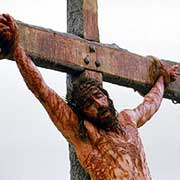
Probably the greatest act of forgiveness is shown through His death on the cross in atonement of our sins, despite of our unworthiness. This bears the greatest impact on many of us. Contrary to our Asian value of hierarchical piety where we are obliged to feel guilty towards our elders, through Christ, God Himself in His glory and greatness, sacrificed Himself and actively seek to forgive us, no matter we chose to ask for His forgiveness or not.
Although God, being superior in relationship with mankind, is not obliged to forgive mankind, chose to do so. He demand no reciprocity for the mercy He has shown.
In response to that, we offer forgiveness with others undeservingly. We do not earn our forgiveness from God, we received it free. Therefore we should not also expect others to earn our forgiveness either.
Amazing love, how can it be?
That Thou my God should die for me?
How do we translate this forgiveness to others?
How do we as a community of faith embody the message of forgiveness and reconciliation, at individual, intra-community and inter-community level?


.jpg)

No comments:
Post a Comment