Monday, October 30, 2006

Simple Faith vs Simplistic Faith

Today I experienced few things that gives me a reflection of people and how people relate to faith.

fr0st_guy lamented,

"i am simply disappointed tat i originate from a society tat regards anything they dun understand as being too difficult to comprehend...."

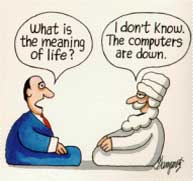
It is true for many of us today that lived in a fast-paced, result oriented, superficial society, that we never stop and reflect our lives, the meaning of our lives, our direction, the people around us, the injustices of life.

We leave fundamental questions away from our minds, and regard it as "too difficult to comprehend", and live in a bliss of ignorance. Probably we are too lazy. Instead we worry about where are we going to have lunch later, how are we going to pass the exams, who am I marrying, should I go to the party? etc. etc.

Even in matters of faith, many of us tend to be simplistic, while we maintain a sophisticated life...

"Just love Jesus-lah, no need to pening kepala think of trinity-lah, Da Vinci Code-lah, what's the name err... Nehemiah-lah, Obadiah-lah, the -ah -ah prophet name one.

....As long as I am happy, go to heaven, enjoy good worship service (by the way, the guitarist is real cute), get good job after I graduate, go round the world, go for mission trip to Thailand, serve in music team, life is great

....My mother also ask me not to go church too much, later can't get good result in my exam... Oh by the way I just bought a new N70, cool man... oops, I gotta go, have to meet up friends to play dota and go yumcha

....And by the way, I got a Catholic friend who ask me why we Protestant say that they are worshipping Mary. She say we simply accuse them. What should I do ah? You handle her la, here I give you her email. Big big topic like that I donno one-lah.

.....Also I saw a poor lady begging for money outside KLCC last week. So kelian, I gave her RM1. Haiyah, the government so bad and corrupt, always tax us but never help the poor. after that I went to eat Sushi King there, the sushi there damn teruk man, not fresh one. I prefer Genki Sushi".

...............................................................................................

As Sherman Kuek said, "you can't be simple in one area and then complex and sophisticated in another. It's strange how some adults are so sophisticated in their lifestyles and their handling of wealth (or life), and then claim to be living a simple faith.....A child has a simple faith because he has nothing; he simply trusts."

Jesus asks us to live by faith in Him. He said, "where your treasure is, there is your heart". If we focus our lives on 'sophisticated things' rather than fundamental issues of faith, life and the meaning of life, and the problems of life, then we are actually living in an empty meaningless journey.

And by the way, the meaning of life is not found by reading one chapter per day, using Our Daily Bread, or memorising Purpose-driven life, or pray the prayer of Jabez once in the morning, once before sleep. The meaning of life is not found by pre-defined points to memorise, or prayer to recite, or a creed to blindly believe in. It is driven by contemplation, meditation on the scriptures, and reflection on our lives.

Jesus asks us to be like little children, to have child-like faith. It is simple faith in God, a wholehearted trust in God to lead our lives. But it is NOT simplistic. Trusting God doesn't mean that we are to live ignorantly in the world we live in and forever having 'baby-like' faith, never seeking to grow in maturity.


Widows

We need SIMPLE, yet DEEP faith.

Semper Reformanda

My recent online chatting with Dave Chang has brought some thoughts on the Church, particularly the Malaysian Church, and how reform is constantly needed, for Truth to be relevant to the culture of the day.


Widows


Ekklesia Semper Reformanda Est
"The Church always needs to be reformed"

SEMPER REFORMANDA exists to forward this ancient axiom. The Lutheran Reformation began when Martin Luther posted the 95 theses on the church door in Wittenberg. It will never be completed. As long as she remains the Church Militant, sin and error will continue to fuel her need for reform.

Then upon reading my Theo101 readings on Ethics and the Bible, one passage in Houlden, JL's "Ethics and the New Testament"struck me
  • Already then, in the NT we meet that combination of exclusiveness and adaptability which was a main factor in the Church's ultimate triumph in the Roman Empire. The adaptability was largely unconscious, and perhaps only this made it persist as a feature of christian thought and teaching. And, with whatever nuances, the exclusiveness was absolute and severe: 'for although there are many "gods" and many "lords" - yet for us there is one God, the Father, from whom all things and for whom we exist, and one Lord, Jesus Christ, through whom are all things and through whom we exist' (1 Cor 8:5)

Saturday, October 28, 2006

Interesting Pics

Widows


Widows

Thursday, October 26, 2006

Sajak Seorang Insan

karya Sambal Petai


Widows

Tuhanku
ketika hatiku duka
sewaktu ia menangis
Kau bagaikan Gembala
yang memapah disisiMu
menciumku bagaikan anakMu sendiri

Tuhanku
Ketikaku keseorangan
bagaikan kertas ditiup sana sini
pada waktu itu lah Kau berada
HadiratMulah yang ku dapat rasakan
Aku bersamamu Kau ingatkan.

Widows

Tuhanku
Ketika badai hidup mengamuk
Ku dihimpit kerisauan dan kepayahan
Ku kehilangan tujuan hidup
Ku merana akan kehidupan
PelukanMu Kau ingatkan
Kaulah segalanya dalam hidupku

Tuhanku
Ku keletihan kerana dosa
Banyak kali minta ampun,
banyak kali itulah ku dosa
Ku malu jatuh tersungkur
kepalaku tak terangkatnya
kerana kekudusanMu
Ayuh bangun anakku Kau seru
KasihKu bagimu tak terbatas

Widows

Tuhanku
Hidup ini penuh derita
Tiada makna walau ku kaya
Apalah gunanya hidup
TanpaKu hidupmu tak bermakna
NyawaKu kuberikan agar hidupmu penuh bermakna.

Tuhanku
TanpaMu siapa kita
KepadaMulah ku datang
Bebanan dosa Kau tanggalkan
Bebanan hidup Kau ringankan
Dengan DarahMu kau bersihkan
agar kehidupanku menjadi kemuliaanMu

Forgiveness

Widows

Forgiveness and reconciliation is a part of Malay-Muslim spirituality and culture. The Malay culture which values ‘budi’ (benevolence) at the highest virtue, is enriched by the Islamic concept of ‘salaam’ which means peace and wellbeing, but that can further bring other connotations such as reconciliation, kinship and solidarity. During Hari Raya, the gesture of asking for forgiveness by kissing the hands of the elders, and also the wishing of “Maaf Zahir Batin” (literally means “forgive us completely”), fits well with the Islamic concept of forgiveness and patience. Through forgiveness, Muslims believe that one is sanctified and clean from sin, guilt and indebtedness, to worship God and to earn merits. The extent of which one is able to forgive, depends on the level of the faith one has with God.

I personally feel that one must realise that communal relationships is an integral part of Asian culture. Reconciliation and forgiveness is a virtue arose from the concept of filial piety, which denotes the respect and obedience that a child should show to his parents or elders. When one fails to please his or her elders, one is considered to be doing a wrong, and forgiveness is required. Although this hierarchical sense of forgiveness and reconciliation may not be the case of all relationships, it is still part of the social construct of many Asian communities. Forgiveness, reconciliation and reciprocity amongst members of similar social hierarchy although bear similar weight, are sometimes less stressed. It is through the introduction more egalitarian values such as Islamic and Christian values into the Asian communities, I feel, that had revived the concept of forgiveness amongst individuals of similar hierarchy.

How do Christian approach the concept of forgiveness?

The Christian perspective of personal sin that requires repentance, and the forgiveness of God and fellow men has indeed enriched our Asian experience of forgiveness and reconciliation. Many Asian Christians upon genuine repentance and conversion from their past sinful life, actively seek reconciliation not only with their elders, but also with their fellow siblings, friends and community members. The transformational power of Christian forgiveness and reconciliation has not only changed the nature of individual relationships, but also inter-community and intra-community relationships. For example, the head-hunting culture and intra-community strife of some tribes in Borneo has been transformed by the power of the Gospel. In the recent years, I recalled seeing an ex-loan shark and gangster leader, upon conversion, seeks genuine forgiveness and reconciliation from his ex-victims.

It holds true to the teachings of Jesus in the Lord’s Prayer, “forgive us our sins as we forgive those who trespass against us” together with the teaching of forgiving our brothers “seventy-seven times”, the famous Sermon on the Mount and many other instances speak volumes about the value of forgiveness both with fellow mankind and God. In His life and many of His symbolic acts like associating with ‘sinners’ and tax-collectors, not throwing stones to the adulteress, showing mercy to prostitutes and drinking water from the Samaritan woman, He embodies the value of unconditional love and forgiveness, which go beyond reciprocity.

He said, “If you love only the people who love you, why should you receive a blessing? Even sinners love those who love them! And if you do good only to those who do good to you, why should you receive a blessing? Even sinners do that!”.

Widows

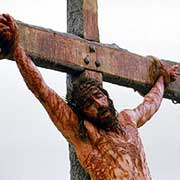
Probably the greatest act of forgiveness is shown through His death on the cross in atonement of our sins, despite of our unworthiness. This bears the greatest impact on many of us. Contrary to our Asian value of hierarchical piety where we are obliged to feel guilty towards our elders, through Christ, God Himself in His glory and greatness, sacrificed Himself and actively seek to forgive us, no matter we chose to ask for His forgiveness or not.

Although God, being superior in relationship with mankind, is not obliged to forgive mankind, chose to do so. He demand no reciprocity for the mercy He has shown.

In response to that, we offer forgiveness with others undeservingly. We do not earn our forgiveness from God, we received it free. Therefore we should not also expect others to earn our forgiveness either.

Amazing love, how can it be?
That Thou my God should die for me?


How do we translate this forgiveness to others?
How do we as a community of faith embody the message of forgiveness and reconciliation, at individual, intra-community and inter-community level?

Hari Raya Blues

‘Kami nak jumpa mak, minta ampun’
ANGELINA SINYANG
Utusan Malaysia

IPOH 25 Okt. – ‘‘Kami nak jumpa mak...cium tangan mak minta ampun dan maaf sempena Aidilfitri. Rindu sangat kat dia tapi tak tahu di mana dia berada,” demikian luahan hati dua beradik, Mohd. Amirul Tarmizi, 13, dan Mohd. Ayrul Nizam, 12, ketika ditemui di Asrama Anak-Anak Yatim/Miskin Yayasan Hikmah di Kampung Pintu Padang, Sungai Itek, Gopeng di sini.

Widows

Dua beradik itu merupakan antara 17 penghuni Asrama Anak-Anak Yatim/Miskin Yayasan Hikmah yang tidak pulang beraya kerana tidak dijemput oleh waris mereka.

Bagi mereka, Aidilfitri tidak memberi apa-apa makna kerana ini bukanlah kali pertama mereka beraya tanpa ahli keluarga di sisi, malah pengalaman sama pernah dirasai pada tahun lalu.

Mohd. Ayrul Nizam yang lebih petah bercakap berbanding abangnya memberitahu, mereka berdua dimasukkan ke asrama tersebut atas perintah mahkamah pada 8 Ogos tahun lalu selepas didera oleh datuk mereka.

‘‘Saya, abang dan seorang adik perempuan tinggal di rumah datuk selepas ibu dan ayah bercerai tahun lalu.

‘‘Ibu pergi membawa abang saya yang sulung tanpa khabar berita sehingga kini manakala kami tiga beradik dijaga oleh datuk semasa ayah keluar bekerja.

‘‘Di rumah datuk, nasib kami amat malang kerana didera. Saya dan abang selalu dipukul dan dikurung, malah tidak diberi makan sekiranya melakukan kesilapan,” katanya sayu menceritakan pengalaman pahit tersebut.

Menurut Mohd. Ayrul Nizam, biar pun perbuatan dera itu disedari oleh bapa mereka tetapi dia tidak berbuat apa-apa.

Akhirnya, akibat tidak tahan menanggung derita, dia bersama abangnya mengambil keputusan melarikan diri menaiki bas dari rumah mereka di Cheras, Kuala Lumpur ke rumah ibu angkat di Tambun di sini.

‘‘Kami mengenali ibu angkat kerana rumahnya terletak bersebelahan rumah ibu saudara. Ibu angkat bagaimanapun tidak boleh menjaga kami kerana dia juga mempunyai anak yang ramai.

‘‘Akhirnya, dia mengambil keputusan menghantar kami ke balai polis untuk membuat laporan dan selepas perbicaraan, mahkamah mengarahkan kami dihantar ke Asrama Anak-Anak Yatim/Miskin Yayasan Hikmah,” katanya.

Seorang lagi anak yatim yang merindui ibunya ialah Mohd. Yunus Nordin, 15, yang kematian bapa pada 2004.

Anak kedua daripada tujuh beradik ini memberitahu, dia dihantar ke Asrama Anak-Anak Yatim/Miskin Yayasan Hikmah pada tahun lalu oleh ibunya.

‘‘Saya tidak tahu apa sebab ibu hantar saya ke sini dan amat sedih apabila dia tidak jemput saya pulang beraya ke rumah tahun ini,” katanya dengan linangan air mata.

Sementara itu, Pentadbir Asrama Anak-Anak Yatim/Miskin Yayasan Hikmah, Ismain Bidin berkata, terdapat waris dan ahli keluarga yang menolak apabila diminta membawa pulang anak-anak yatim di situ pulang beraya ke rumah.

‘‘Bila dihubungi, pelbagai alasan diberikan mereka termasuk tiada kenderaan untuk datang menjemput, tiket bas habis dan ada antara mereka langsung tidak mengangkat telefon.

‘‘Kita sedih dengan keadaan ini kerana biar pun berpeluang meraikan Aidilfitri di asrama ini tetapi keceriaannya berbeza dengan berhari raya bersama darah daging sendiri,” katanya.

Tuesday, October 24, 2006

You Left, We Stayed

Sunday October 22, 2006
The Star

BY PATRICIA JOHN

Widows

I RECEIVED the e-mail last week – Thursday, was it? – and I'm still hopping mad. I thought I'd feel better with a little sea air over the weekend. But no, I was wrong. I'm still mad.

Why is it that people who leave this country – choose to go away – always feel that they need to send us stuff about things that are happening here? It's like they feel we don't know. Duh. We live here.

Like my cousin sending me stuff about our last prime minister. Duh – again. We know already. We have newspapers. We have the Internet. Heck, we even have our own satellite in space-lah.

Remember your double storey semi-dee that was air-conditioned? And your Volvo and your chauffeur and the good life you left behind? The good life that allowed you to save so much money and start again somewhere else?

But I digress.

So, from this great and privileged place where they are, they send us stuff of how bad things are in this land where WE choose to live.

My question is this: Are you saying that your Howard is so great? Is he clean and just and honest? Is he intelligent and farsighted and doing everything right for Australia? Or perhaps your ideal is George W. Bush or Tony Blair? Words fail me when I try to go there!

So what exactly are these ex-Malaysians saying when they send us stuff that is so anti-Malaysia? That we are suckers for still living here? That we should be packing our bags too and high-tailing it to Australia or the United States or England or Canada?

Or are they saying, “See, we were right to leave. It is so bad in your country. We are so smart, not like you, so bodoh, and still sticking it out there where it is so gawd-awful!”

Ok, want to know why I love it here?

Because I belong here. I am Malaysian. My roots are half Indian and half Sri Lankan. My husband's are Chinese. I feel normal here. I walk around and I see people just like me. And I feel comfortable.

I own a house in town and another by the sea – and we are NOT rich Malaysians by any standard.

And as I sit and write this, I am tuned in to Astro and am listening to the most fascinating jazz in Spanish. Later, my daughter will come home and tune in to MTV and I'll leave the room because if I hear one more word in the Laguna Beach accent I will have to hurt someone!

When I feel like it, I will go to the gym down the road, about 20 minutes away. Otherwise, I'll go online and surf and find out why idiots are killing each other in Israel and Lebanon. Or I'll move on to more interesting things like Nigella's to-die-for chocolate pudding recipe. That's because the last time I checked, “they” have not censored the Internet in Malaysia yet!

Hello, relatives and friends in Australia and other places in the world, it is really quite nice here. We are really happy. No, the papers don't lie and feed us with hogwash, any more than they do in your country of choice. And even we know how to read between the lines. Yes, they actually taught us that in school.

Speaking of school: as you have bemoaned, most of the classes are in Malay. But hey, this IS Malaysia, and we should at least know how to read, speak and write in our national language. After all, they speak French in France, don't they? And German in Germany, no? Why they all so mundur and don't teach in English in their schools, ah?

I respect the choices people make. I respect their need to leave this land and go find their fortunes elsewhere. It's in our genes anyway – we're the offspring of people who left China and India and came here. I'll understand when my children say they want to work in Canada and Europe and the United States. I understand the need to go seek new things and learn how the rest of the world lives.

But I also understand that paradise is where you make it. Running to another land is not where it's going to be. It is here: with the man you love, your daughter, your son, your dogs; with your mum and your wonderful sisters; with your lovely home and garden and with your friends.

If you know who you are and what you want, then you will be happy. There's no need to fly away. Listen with your heart and you will find it's been here all along, and you never knew. I've always known. Always. And life is good.

Sunday, October 22, 2006

How Beautiful Is This - She Loves God

Quoted from Brian McLaren's "Generous Orthodoxy". One day my daughter saw a woman walking towards us covered in a veil and asked the inevitable ‘What’s that, Mummy?’ ‘Emma,’ I answered, ‘that lady is a Muslim from a faraway place and she dresses like that and covers her head with a veil because she loves God. That is how their people show they love God’. My daughter considered these words, she stared at the woman who passed us, she pointed at the woman and then pointed at my hair and further quizzed ‘Mummy, do you love God?’ ‘Yes’, I said, ‘I do; you and I are Christians and Christian ladies show their love for God by going to church, eating the bread and drinking the wine, serving the poor and giving to those in need. We don’t wear veils but we do love God’.

Widows

After this Emma took every opportunity to point to Muslim women during our shopping trips and telling me ‘Mummy, she loves God’. One day we were getting out of our car in our driveway at the same time as our Pakistani neighbours. Emma saw the mother beautifully veiled and pointed at her and shouted ‘Look Mummy – she loves God’. My neighbour was surprised, I told her what I had told her what I had taught Emma about Muslim ladies loving God, while she held back tears this near stranger hugged me saying, ‘I wish all Americans would teach their children so, the world would be better’.

Speaking Up

Written by Rev. Martin Niemoller, from Shen

First they came for the Communists,
and I didn’t speak up,
because I wasn't a Communist.

Then they came for the Jews,
and I didn’t speak up,
because I wasn't a Jew.

Then they came for the Catholics,
and I didn’t speak up,
because I was a Protestant.

Then they came for me,
and by that time there was no one
left to speak up for me.

According to Shen, we vote every day, with our intellect, our keyboards, our voices and our pens. We should speak up against something that is wrong. Be it in politics, religion, government policies and anything involving anyone who themselves are unable to voice out for any reason.


Widows


It rings clear to our biblical imagination of God as the God of the helpless.

Psalms 146:9 says "The Lord watches over the alien and sustains the fatherless and the widow, but he frustrates the ways of the wicked"

Isaiah 1:17 "Learn to do right!, Seek justice, encouraged the oppressed. Defend the cause of the fatherless, plead for the case of the widows"

If the church do not speak up, who will?

Kecantikan Palsu

daripada GirlTalk

Marilah kita menilai kayu pengukur kecantikan fizikal dalam budaya kita--untuk wanita zaman dahulu dan sekarang seperti yang diterangkan oleh David Pawlison.

Wanita seabad dahulu akan membandingkan diri mereka dengan sepuluh wanita lain di kampung seberang. Hari ini, wanita membandingkan diri mereka dengan gambar-gambar tercantik dari industri fesyen sedunia.

Dan apakah imej yang ideal yang dipaparkan oleh industri fesyen sedunia sebagai standard kecantikan wanita masa kini untuk dijadikan ukuran?

Diversity


How can we be multicultural yet indigenous in nature?

Saturday, October 21, 2006

Once Were Rivals

Petronas - Chinese New Year 2003 - Once Were Rivals

Tuesday, October 17, 2006

Poor Indians Desperately Need Affirmative Action

Poor Indians desperately need affirmative action
Steve Oh


For some years I was closely involved in helping the poorest of the poor in Malaysia - who lived in squatter shantytowns. I got to know many of them very well though some of them are now dead.

It is common knowledge that the life span of many of their samsu-drinking males is below the Malaysian average. Many of the most desperate men live in a cycle of uncertain casual labour, low wages, exploitation, social discrimination and drunkenness. They live very austere lives. Their children often drop out of school after the compulsory years of education and end up doing low-paying jobs or become unemployed. The women often bear the brunt of all that goes awry in the households and are abused. Other ethnic poor have their own kinds of problems.

But given the right help, even drunkards can become exemplary fathers and citizens, hold on to stable jobs, and children can do well in school and mothers enjoy some simple pleasures of life. It is sad that few take the trouble to help them. The implementation of a poverty plan for all Malaysians must remain one of the government's priorities and education must be a cornerstone.

Basically the poor Indians have survived and progressed, at least from my observation of the groups I was involved with, because of Malaysia's booming economy and relatively rich society. I have always admired the Tamils as a resilient ancient people like the Chinese also because their ancestors played a strategic and admirable role in building the country's rubber industry, railway systems and roads.

It is wrong to further marginalise by neglect a community that has been peaceful and contributed to the nation's growth. If we want to create a Bangsa Malaysia, here is the opportunity - to help those in need regardless of their race.

It is sad therefore when I read that many young Tamils end up in gangs and commit crimes. It is strange that in Malaysia affirmative action gives preference and
priority to the needs of the majority race. Elsewhere affirmative action usually means help for the poor and underprivileged minority ethnic groups. Certainly if any single ethnic group is in desperate need of affirmative action, it is the Tamil squatter communities. After all the intention of affirmative action is to prevent members of a minority group from being left behind in its social and economic
development so that they may not resort to anti-social activities.

Incidentally, we should also not neglect the plight of the Orang Asli. Education is a key to economic success. It is through education that the poor can improve themselves, and many Malaysians have leap-frogged into the upper class of society in one short generation. It is possible in a place like Malaysia because despite the absence of government aid, the determined and talented will still find a way to succeed without any help from anyone except perhaps their immediate family members. Often we find education is the stepping stone.

I certainly hope the government will do more for the poor, and take a closer look at how it spends its budget on eradicating poverty not only for the Malays but the other races as well, and ensure education is given top priority.

While the NEP idea is noble, because helping the underprivileged is always a noble thing, it is time for a review to see if other races should now be given serious consideration and financial help also. After so many years of affirmative action since the writing of the famous book, Dr Mahathir's 'Malay Dilemma' may well speak for the non-Malay dilemma. We have spent enough time helping the Malays per se
who must now begin to shoulder their share of helping the poor.

There must come a time when the re-distribution of a country's wealth must be based on the principle of 'where-needed-most' or 'who needs it more' rather than the mere criterion of race. If the most needy belong to the same race then so be it. At least no one can gripe that they are victims of an unjust government policy or racial discrimination. Many Malay rural poor still need help so policies have to be more directed toward helping them. Creating more places in vocational schools and
universities for the poor is a necessity.

Now that Malaysia has been declared an Islamic state, should there not be more evidences of policies and practices that support the popularly touted claim that Islam promotes equality and justice? Actions speak louder than words, and it is a great injustice to deny the poor Indians their rightful help. After all, let us not forget government funding comes from taxes and every citizen has a right to government aid. If we want to use religion in politics let us see it used positively to help everyone in practical ways and not exploited for political gain.

It is time Malay companies and now wealthy individuals who have benefitted from the government's affirmative actions show their social responsibility and gratitude by helping carry some of the country's social costs. If the government has more funds, it will be able to channel them to the poor. It must become a government for all races not only in name but in deed.

For example, the special discounts given to bumiputeras when they buy houses should be replaced with a first-home buyers scheme. Alternatively, the money saved could be used to train unemployed youths for the building industry. Many Malays now own several houses and continue to enjoy the discounts though they don't need or deserve them.

Many non-Malays are still struggling to buy their first homes. Perhaps some of the money saved could be channelled to housing for the squatters.

A first-home buyers scheme for all Malaysians would stimulate the building industry more than the special discounts scheme which often is not taken up.

The above is an example of a policy that has outlived its useful life. I am sure there are other instances where policies need urgent review to make the country more equitable and that taxpayers' funds can be better used to help the poor. I doubt many Malaysians will grumble that the poor are helped. And I know the government is capable of doing this if it wants to. Help for the Tamil squatters is overdue.

When rubber estates are developed for housing, the government should look at finding alternative work for the displaced workers who have no other employable skills. It should seriously consider re-training its obsolete workforce. Then there is the question of re-housing the displaced. Some of my Tamil friends have died and their widows are still waiting for the cheap low-cost flats that were offered to them
almost 15 years ago! Surely someone must take an interest in their welfare or is it more expedient to let the voiceless rot or hope they will die out?

The government should concentrate on making more people better off than a select few super-rich. It will be a betrayal of the Malay community if the government's privatisation projects benefit only the elite or what critics call their 'cronies' and not a more widespread Malay populace.

Making the Malay community more egalitarian, producing more Malay middle-class, is better than concentrating the country's re-distributed wealth in the hands of a few Malay tycoons. Tycoons will always find a natural way to emerge, and the self-made variety will be of a better quality than the hand-fed and artificially nurtured type. The adage of not putting all the eggs in one basket makes sense.

On the other hand, it is easy to point the finger at government and expect it to do everything. The Malays who have received help from the government should seriously think of repaying their 'debts' to the country. Many of our Malay friends, in one short generation, have become enormously wealthy with government help. It is time they think also of helping the poorer Malays in the rural areas and other non-Malays. Only then will some semblance of social justice take place and the NEP bear much greater fruit that benefits the entire nation.

Otherwise we should change the NEP to mean something else like the Malay Enrichment Policy.

It is reasonable for race-based political parties to look after the interests of the ethnic groups they represent but they should not be unreasonable or greedy.

If I were prime minister I would get the best man and woman for the most important jobs in the country and do away with patronage, obligations, face-saving and such other hindrances to efficiency. I would make meritocracy pre-eminent and adopt it as the modus operandi in all government departments. By this I show the world that the
country has come of age.

It is baffling why a country that harps much about God and religion continues to neglect its most needy, especially this group of poor Tamils and to uphold the principle of justice and equal opportunity for all.

Perhaps it is time the government does something concrete about the much publicised 'Third Word mentality' or rather, 'third-rate mentality' that plagues the country. Words and slogans do not feed the hungry, house the homeless, and create jobs for the unemployed.

We should restore the dignity of the word national to mean all Malaysians and not just a favoured group. Otherwise all talk of national interests or national this or national that is a farce. A house divided cannot be a stable house. But a nation fortified by sound foundational principles of truth, justice and equality, will never be destroyed or fail its people.

Pentingkah Apa yang Saya Percaya?

diterjemah dari Barry Carey

Dalam bidang keagamaan kita sering mementingkan keikhlasan iman kita (contohnya, adakah anda betul-betul mencintai Tuhan?) lebih daripada kebenaran iman kita (contohnya, adakah kepercayaan ini benar?). Saya merasakan ini sangat pelik.

Sebenarnya, apakah maksud kepercayaan? Greg Koukl, dalam buku bertajuk 'Solid Ground', membincangkan isu ini. Dia berhujah bahawa jika kita menyatakan bahawa kita percaya pada sesuatu, kita sudahpun mendakwa bahawa perkara itu adalah benar. Ini membuktikan apa yang kita dakwa.

Jika anda mendakwa "Saya percaya Presiden Bush adalah presiden Amerika Syarikat", anda sebenarnya menyatakan bahawa perkara ini memang benar. Kita tidak berkata ayat seperti "Ya, saya percaya bahawa George Bush adalah presiden Amerika Syarikat, tetapi kalau awak percaya bahawa Fidel Castro adalah presiden Amerika, pun tak apa. Saya tak menyatakan bahawa George Bush itu presiden, tetapi saya hanya percaya bahawa dia presiden".

Jadi, apabila kita berkata bahawa kita percaya akan sesuatu, kita menyatakan bahawa ia suatu fakta yang benar. Semua orang merasakan bahawa kepercayaannya benar, kalau tidak, mereka tidak akan percaya.

Sekarang, kepercayaan saya boleh jadi salah atau benar. Samada George Bush itu presiden atau pun tidak. Castro dan Bush tidak boleh kedua-duanya menjadi presiden Amerika pada satu-satu masa. Kenapakah kita percaya dengan bulat-bulat fakta-fakta biasa, apabila berkaitan dengan fakta-fakta kepercayaan iman, kita jarang memikirkan tentang kebenarannya dan lebih cenderung mementingkan emosi kepercayaan kita.

Satu poin penting di sini adalah, apa yang kita percaya tidak akan menyebabkan ia benar. Kebenaran tidak dihasilkan melalui iman/kepercayaan semata-mata. Jika boleh, maka realiti dan fantasi sudah bercampur aduk. Sebaliknya, kebenaranlah yang menghasilkan iman.

Sesuatu kebenaran adalah benar, tak kira sama ada saya percayakannya ataupun tidak. Menurut Koukl:

Jika kebenaran itu adalah apabila sesuatu perkara itu adalah seperti apa yang kita percayakan, maka "perkara itu" membuktikan apa yang kita percaya itu benar. Fakta-faktalah yang membuktikan samada sesuatu itu benar ataupun tidak. Sesuatu pernyataan yang benar akan menerangkan fakta sahaja. Jika tidak ada kebenaran, maka tiadalah fakta.

Maka, iman Kristiani kita adalah berasaskan fakta. Berdasarkan fakta inilah, baru kepercayaan dan iman terbit. Bukan sebaliknya.

Sunday, October 15, 2006

The "Protestant" Icon : The Face That's Everywhere


We've all seen it. An entire generation grew up with this image of Jesus in their minds. But who made it, and how did it become so popular?
by David Morgan

There is a brownish image of Jesus that hangs on children's bedroom walls, in fellowship halls of Catholic and Protestant churches around the country, in mission stations around the world. Even the most Protestant of Protestants knows the picture from Sunday school days or Grandma's living room. But most can't name the painter and wrongly assume that he was Methodist or Lutheran or Catholic. His name, in fact, was Warner Sallman (1892-1968), and he spent his entire life in Chicago. Of Swedish and Finnish extraction, he was a lifelong member of the (Swedish) Evangelical Covenant Church.

A pious man by all accounts, Sallman worked as a freelance illustrator, producing religious imagery for a variety of publications including the Evangelical Covenant Church's denominational magazine Covenant Companion in the 1920s and the Salvation Army's War Cry in the 1930s. The charcoal sketch called "The Son of Man," which appeared on the cover of the Covenant Companion in 1924, attracted enough admirers over the years that Sallman painted an oil version in 1940. The image was titled "The Head of Christ." For many people, this image of Jesus, composed like a photographic portrait, looked like the serene "best friend" they wanted in their Savior.

The Baptist Bookstore picked up various sizes of the lithographic image and placed it in bookstores across the South. A growing variety of products using Sallman's painting appeared—religious instructional materials, prints, gift items, and eventually clocks, lamps, buttons, mottoes or Scripture texts, Bibles, and puzzles. Impressed by the avid public response, Sallman's publishers urged him to produce several images from the life of Jesus using the same likeness. An enterprising commercial illustrator, Sallman studied many visual precedents used in devotional settings and produced by other religious publishers and based most of his very successful images on them, such as "Christ in Gethsemane," "Christ at Heart's Door," "The Lord is My Shepherd," and "Christ Our Pilot," produced from 1942 to 1950.

The World War II context was equally important for the dissemination and popular reception of Sallman's chief image, "The Head of Christ." The Salvation Army and the YMCA, both members of the USO, handed out pocket-sized versions of the picture to American soldiers leaving for Europe and Asia. Millions of copies found their way around the world and became a fondly remembered part of the war experience for many veterans.

After the war, groups in Oklahoma and Indiana conducted broad campaigns to distribute the picture across private and public spheres. A Lutheran organizer of the effort in Indiana said that there ought to be "card-carrying Christians" to counter the effect of "card-carrying Communists." Copies of Sallman's "Head of Christ" were placed in public libraries, schools, police departments, community centers, and even in courtrooms. One photograph from 1962 shows Vice President Lyndon Johnson posing reverently beside a copy of the picture sent to him in Washington. Today, the portrait of Jesus is still found in both Protestant and Catholic churches, enjoys fond use among Mormons, Latinos, Native Americans, and African Americans, and hangs in Christian homes in Africa, Latin America, Asia, and Eastern Europe.

While Protestants have historically resisted using pictures in their worship, they often do, in fact, rely on Sallman's images and others in teaching children, in evangelism, and in decorating their homes. For many of them, these activities are as important for everyday life as public worship, especially in forming the early faith of children in ways that will continue to shape their piety for the rest of their lives. This is why even a glimpse of Sallman's pictures can open a deluge of memories. The picture hangs around.

David Morgan is professor of Christianity and the Arts, humanities, and art history at Valparaiso University for Christian History, Summer 2006

Tuesday, October 10, 2006

Via Crucis

Karya Hari Santosa, Indonesia
Tangisan yang kuat itu menyebabkan Yesus terhenti. Yesus berpaling dan berkata "Wanita-wanita Yerusalem! Janganlah menangisi Aku. Tangisilah dirimu sendiri dan anak-anakmu." (Lk 23,27).

Mereka tersentak dengan kata-kata tersebut dan tidak dapat membalas. Mereka tidak memahami apa yang Yesus katakan.
Yesus menambah "Sebab akan datang waktunya orang akan berkata, 'Alangkah beruntungnya wanita-wanita yang tidak pernah mengandung, yang tidak pernah mempunyai anak dan tidak pernah menyusui bayi!'. Pada waktu itulah orang akan berkata kepada gunung-gunung, 'Timpalah kami!' Dan kepada bukit-bukit, 'Timbunilah kami!'. Sebab kalau terhadap kayu yang masih hidup, orang sudah berbuat seperti ini, apa pula yang akan dilakukan mereka terhadap kayu yang sudah kering!" (Lk 23,29-31).
Mereka tersentak. Yesus walaupun dalam ketika itu, tidak hanya berfikir untuk dirinya atau penderitaannya atau dramanya. Dia lebih mengambil berat terhadap drama umat manusia. Dia secara nubuah melihat drama manusia terbuka pada depan matanya. Dan wanita-wanita yang menangis ini perlu mengubah kehidupan mereka.
Apakah ini?
Via Crucis bukanlah hasil akademik. Ia merupakan satu aktiviti rohaniah yang merupakan satu cara di mana semua boleh berdoa dan berefleksi tentang penderitaan Yesus Kristus pada Jalan Via Dolorosa/Via Crucis.
Di setiap hentian pada jalan yang dipanggil Via Dolorosa atau Via Crucis ini, seorang akan membacakan teks meditasi yang berkaitan dengan petikan Al-Kitab tentang pengalaman Kristus (contohnya, Yesus bertemu wanita Yerusalem). Kemudian ia akan diakhiri dengan doa liturgi. Aktiviti ini sangat memuaskan jiwa. Di Malaysia, 'stesen salib' ini akan dibuat sebelum misa-misa di Gereja Katolik hampir setiap hari semasa Minggu Kudus, seminggu sebelum Holy Thursday, Good Friday dan Easter Sunday.
Ayat-ayat liturginya sangat indah, gambaran teksnya sangat meyayat hati dan doanya mampu mentransformasi jiwa anda. Jika berpeluang, kumpulkanlah rakan-rakan saudara dan buatlah Jalan Salib ini. Saya yakin anda pasti tersentuh.

Sunday, October 08, 2006

AlKitab dan Homoseksualiti

eCommentary ini diambil daripada The Bible and Homosexuality yang ditulis oleh Tan Soo-Inn, 25 Sept 2006

Dalam komentar tentang buku Roma, M Eugene Boring dan Fred B. Craddock telah menyatakan tentang homoseksualiti.

“Pandangan etika Kristian tentang homoseksualiti adalah subjek yang kompleks yang melibatkan perpektif perundangan, sosial, psikologi dan perubatan, termasuklah rujukan teologi dan alKitabiah. Meskipun ajaran alKitab tentang seksualiti dan dosa tidak boleh dipisahkan daripada proses keputusan etika Kristian, isu ini tidak boleh diselesaikan dengan hanya merujuk beberapa teks alKitabiah.”
Mereka sememangnya betul. Saya sentiasa runsing tentang orang yang cuba memperlekehkan keseriusan isu ini dalam perdebatan, terutamanya subjek yang sangat beremosi dan kompleks seperti ini.
Walau bagaimanapun orang Kristian tidak boleh mengelak daripada berinteraksi dengan pandangan teologi dan alKitabiah, terutamanya jika kita percaya bahawa alKitab yang diinterpretasi dengan betul adalah sumber autoriti kehidupan, akidah dan ibadah kita.

Berinteraksi dengan pandangan teologi dan alKitabiah juga sesuatu yang perlu kita lakukan dengan kebangkitan Pergerakan Lesbian dan Gay yang mendakwa bahawa Gereja telah membaca alKitab dengan salah dan mendakwa bahawa kononnya, tiada larangan terhadap amalan homoseksual terutamanya bagi orang-orang yang setia kepada pasangan dan hubungannya.

(Masalah ini terbit dengan balas dendam apabila baru-baru ini seorang penulis dan pemikir Kristian yang agak berpengaruh telah mendedahkan orientasi homoseksualnya dan berita hubungan komitednya dengan seorang pasangan sama jantina. Dia tengah menghabiskan pengajian doktoralnya dalam Sosiologi dan Teologi di Amerika Syarikat dan berharap agar dapat pulang ke Malaysia untuk menubuhkan gereja yang bersimpati terhadap pasangan homoseksual.)

Apa yang diajarkan oleh alKitab tentang homoseksualiti dan amalan homoseksual?

Saya merasakan bahawa gereja perlulah sentiasa merendahkan diri untuk melihat semula teks alKitab. Malahan, tidak lama dahulu ada orang di dalam gereja yang menghalalkan perkauman dan perhambaan daripada bacaan alKitab.

Dan melalui pembacaan alKitab kita perlulah mengaku bahawa petikan yang membincangkan amalan homoseksual adalah sedikit. Richard B. Hays betul apabila dia mengingatkan kita :

"AlKitab jarang membincangkan amalan homoseksual. Terdapat lebih kurang setengah dozen rujukan ringkas tentangnya dalam alKitab. Dari segi penekanannya pula, ia merupakan isu kecil, berbanding dengan keadilan ekonomi, contohnya."
(The Moral Vision of the New Testament, p.381)

Tetapi di mana terdapat rujukan tentang homoseksual, ajarannya jelas. Roma 1:24-27 terutamanya adalah sangat kritikal.
“Oleh sebab itu Allah membiarkan mereka dikuasai oleh keinginan hati mereka untuk berbuat yang bejat, sehingga mereka melakukan hal-hal yang kotor terhadap sama sendiri. Allah yang benar, mereka ganti dengan sesuatu yang palsu. Bukan Pencipta melainkan yang diciptakan itulah justru yang disembah dan dilayani oleh mereka. Padahal yang menciptakan itulah yang seharusnya dipuji selama-lamanya! Amin.

Karena manusia berbuat yang demikian, maka Allah membiarkan mereka menuruti nafsu mereka yang hina. Wanita-wanita mereka tidak lagi tertarik kepada laki-laki seperti yang lazimnya pada manusia, melainkan tertarik kepada sesama wanita.

Lelaki pun begitu juga; mereka tidak lagi secara wajar mengadakan hubungan dengan wanita, melainkan berahi terhadap sesama lelaki. Laki-laki melakukan perbuatan yang memalukan terhadap sesama laki-laki, sehingga mereka menerima pembalasan yang setimpal dengan perbuatan mereka yang jahat itu.” (Bahasa Indonesia Sehari-hari)

Exegesis penuh petikan ini adalah lebih daripada skop esei ini. Pembaca digalakkan supaya membaca kometar tentang buku Roma yang banyak sekali.

Kita perlu mengenalpasti beberapa perkara. Pertama, Paulus sebenarnya merujuk terhadap amalan homoseksual dan bukannya orientasi homoseksual. Kedua, kedua-dua amalan homoseksual lelaki dan wanita dirujuk. Dan tidak seperti dalam 1 Korintus, Paulus tidak merujuk kepada orang tertentu yang ditangkap berdosa.
Di sini Paulus berbincang tentang manusia secara umum, berhujah bahawa semua manusia berada dalam pemberontakan berdosa ke atas Pencipta mereka.

Hujahnya adalah semua telah berdosa dan tidak mampu memenuhi kemuliaan Allah (Roma 3:23), tetapi adalah sangat menarik bahawa Paulus memilih amalan sejenis sebagai dosa yang menggambarkan kebobrokan umat manusia.

Sekali lagi Hays sangat membantu,

"Paulus mengambil contoh amalan sejenis untuk diberi perhatian kerana dia melihatnya sebagai memberi imej grafik tentang kebobrokan manusia yang menyelewengkan fitrah yang dicipta oleh Tuhan. Tuhan Pencipta telah membuat lelaki dan wanita untuk berpasangan, berbuah dan berganda. Apabila manusia ‘menukar’ peranannya untuk amalan sejenis, mereka menggambarkan situasi rohaniah di mana orang telah ‘menyelewengkan kebenaran Tuhan dengan kebatilan.” singles (ms.388)

Paulus memilih hubungan sejenis sebagai contoh kejatuhan umat manusia kerana expresi imej Tuhan dalam umat manusia adalah dalam ciptaan lelaki dan perempuan


“Demikianlah Allah menciptakan manusia, dan dijadikannya mereka seperti diri-Nya sendiri. Diciptakan-Nya mereka laki-laki dan perempuan.”
(Kej 1:27 Bahasa Indonesia Sehari-hari)

Melarikan diri daripada hubungan lelaki-wanita adalah penentangan kepada fitrah Ilahi.
Tentu sekali kita hidup dalam alam semesta yang tercemar. Sesetengah daripada kita dilahirkan dengan nafsu homoseksual yang kuat. Orang heteroseksual yang tidak mengerti maksud kesunyian dan ketidakpuasan orang homoseksual sepatutnya lebih banyak mendengar dan kurangkan berceramah.
Penulis tenang subjek kerohanian yang saya gemari adalah mendiang Henri Nouwen. Banyak bukunya menulis tentang kesunyian yang mendalam serta keperitan.
Hanya apabila dia meninggal dunia saya menyedari bahawa dia seorang homoseksual. Tetapi dia mengtahbiskan hidupnya. Dia memilih untuk mengtahbiskan hidupnya daripada melibatkan diri daripada aktiviti persetubuhan homoseksual.
Dia seperti seorang pengikut Yesus yang telah memikul salibnya sendiri.
Sangatlah perit bagi manusia yang bobrok, untuk hidup dalam dunia yang bobrok. Kita senantiasa mengidam dunia yang sempurna pada suatu hari nanti apabila penyembuhan terakhir akan datang.
Paulus pernah berkata tentang ciptaan Tuhan yang mengeluh dan menderita ketika menunggu kelahiran semula dan kedatangan penciptaan baru yang penuh dan mutlak. (Roma 8:18-25)

Jika kita mengaku diri kita sebagai pengikut Yesus Kristus, kita seharusnya berusaha supaya hidup dalam cara yang mengubah cara hidup kita dengan cara hidup yang sempurna dan menolak amalan-amalan bobrok dunia yang bobrok.

Ini adalah sangat sukar bagi kita semua, malah lebih sukar kepada sesetengah antara kita.
Lebih banyak keredhaan dipinta.

(Adakah terdapat tekanan supaya gereja diorientasikan kepada homoseksual kerana gereja kita gagal menunjukkan kasih sayang dan penerimaan kepada saudara dan saudari kita dalam Kristus yang mengalami cabaran untuk mengikut Kristus di sebalik cabaran homoseksual mereka? Tuhan akan mengadili kita)

Banyak refleksi jiwa yang perlu dibuat oleh semua.
Jika kita benar-benar berjuang untuk jalan Tuhan maka kita perlu berjuang untuk semua isu dan tidak semata-mana menentang homoseksualiti sahaja.

Saya mengesyaki bahawa banyak daripada kita lebih berminat tentang isu homoseksualiti daripada isu ketidakadilan ekonomi. Dan seperti apa yang Hays ingatkan, Tuhan mempunyai lebih banyak untuk diperkatakan tentang ketidakadilan ekonomi.
Tetapi apa yang kita tidak boleh lakukan adalah menyuarakan sesuatu yang tidak dinyatakan dalam alKitab. Bagi saya, Roma 1:24-27 jelas.
AlKitab tidak membenarkan perbuatan homoseksual.

Saudara anda,
seorang heteroseksual yang berdosa dan diselamatkan oleh kurnia Tuhan,
Soo-Inn Tan

Vintage Jesus

diterjemah daripada The Resurgence

There is no one more loved or hated than Jesus Christ.
Tiada orang yang disayangi atau dibenci lebih daripada Yesus Kristus.

Yesus dilahirkan di suatu pekan kecil kepada seorang remaja muda yang miskin 2000 tahun lalu. Dia telah dianak angkatkan oleh Yusuf, seorang tukang kayu dan menghabiskan 30 tahun pertama, tidak dikenali dan turut bertukul kayu bersama 'bapa'nya.

Apabila berusia 30 tahun, Yesus memulakan pelayanan awamnya yang turut melibatkan pengkhutbahan, meyembuhkan orang sakit, menyuap orang lapar, dan berkawan dengan orang yang dipinggirkan kerana mereka itu orang tiga suku, pemabuk, pencuri, dan sebagainya. Pelayanan Yesus hanya selama 3 tahun sebelum dihukum mati kerana mengaku diri-Nya Tuhan. Dia disalibkan dengan penuh keaiban, seperti ribuan yang disalibkan sebelum-Nya.

Tetapi yang peliknya, résumé nya sangat ringkas. Dia tidak pernah mengembara lebih daripada ratusan batu daripada rumah-Nya. Dia tidak mengambil sebarang kedudukan politik, tidak pernah menulis sebarang buku, tidak pernah berkahwin, tidak pergi ke kolej, tidak pernah melawat kota-kota besar. Dia mati kemiskinan dan tiada berharta.

Tetapi Dialah yang paling mashyur dalam sejarah manusia. Lebih banyak lagu yang telah dinyanyikan tentang-Nya, seni lukisan yang dilukis tentang-Nya, buku yang ditulis tentang Dia lebih daripada mana-mana orang yang pernah hidup. Tambahan pula, berbillion orang dari seluruh pelosok dunia menyembah Dia sebagai Tuhan. Malah orang-orang yang tidak percaya pun sentiasa diingatkan oleh tempias pengaruh-Nya apabila kita mengira-ngira tahun masehi yang berkisar daripada tahun kelahiran-Nya. Kalendar kita dibahagikan kepada tahun sebelum dan selepas kelahirannya, BC (before Christ) dan AD (Anno Domini, in the year of our Lord).


Tiada pasukan tentera, negara atau orang perseorangan yang berjaya mengubah sejarah manusia sebanyak yang telah dibuat oleh Yesus, si miskin yang tidak berumah. Simbol Yesus, salib telah menjadi simbol yang paling mashyur dalam sejarah. Sehinggakan artis
rap' 50 Cents dan 'old-school rocker Axl Rose of Guns N' Roses' baru-baru ini memakai salib pada leher mereka ketika Anugerah Video Muzik MTV. Yesus telah menjadi sebahagian daripada fesyen Amerika.

Setiap tahun, media massa telah dipenuhi perbincangan tentang Yesus. Pemuzik seperti Kanye West turut menyanyi tentang Yesus walaupun dia bukanlah pengikut Yesus. Filem Mel Gibson, "The Passion of the Christ" telah mencatatkan rekod box-office tertinggi dalam jualan satu hari. Tiada yang lebih panas daripada Yesus - walaupun setelah 2000 tahun Dia menjejakkan kaki di muka bumi. Malah, majalah "Popular Mechanics" yang boring pun telah memaparkan rencana muka yang bertajuk "Muka Yesus yang Sebenar" beberapa tahun lalu apabila mereka cuba menentukan wajah Yesus yang sebenar (penuh dengan rambut pendek, tidak seperti dongeng yang menyatakan Dia berambut panjang).

Nampaknya semua orang mempunyai pendapat tentang Yesus. Kata-kata berikut merupakan beberapa kerat daripada orang-orang mashyur tentang Yesus.

Mahatma Gandhi: "Saya tidak boleh kata Yesus adalah satu-satunya Tuhan. Dia adalah Tuhan seperti Krishna, atau Rama, atau Mohammed, atau Zoroaster"

Adolf Hitler: "Dalam kasih yang tiada batasnya sebagai seorang Kristian dan sebagai seorang manusia saya membaca petikan dimana Dia pada akhirnya bangkit dan mengambil cemeti untuk menghalau si ular licik daripada Rumah Tuhan. Betapa hebatnya tentangan-Nya terhadap racun Yahudi dalam dunia ini."

Larry King pernah ditanyakan tentang siapa yang dia ingin sekali menemuramah jika dia boleh memilih seorang daripada sejarah manusia. Dia berkata "Yesus Kristus". Orang yang bertanya pun berkata "Apa yang ingin awak tanyakan?". Larry menjawab, "Aku ingin bertanya samada Dia dilahirkan oleh anak dara. Jawapan kepada soalan itu akan menentukan sejarah untuk saya"

John Lennon: "Kristianiti akan pergi. Ia akan hilang dan mengecut. Saya tidak perlu berhujah tentang itu: Saya betul dan akan dibuktikan betul. Kita memang lebih popular daripada Yesus sekarang. Saya tak tahu, apa yang akan pergi dahulu, rock and roll atau Kristianiti."

Carlos Mencia: "Awak tahu tak, saya menjadi 'lebih' Kristian setelah melihat filem itu (Da Vinci Code) sebab saya tahu sebagai seorang Kristian, saya macam tahu, Yesus mati untuk dosa kita Dia merana. Tetapi sekarang saya tahu Dia telah berkahwin. Saya seolah-olah macam, wow, betul-betul Dia merana? Kesian dia."

Friedrich Nietzsche: "Yesus mati awal sangat. Jika Dia hidup sehingga masa saya, dia mungkin telah menolak doktrin-Nya."

Jean-Jacques Rousseau: "Socrates mati sebagai ahli falsafah; Yesus Kristus mati seperti Tuhan"

Joseph Smith: "Agama Mormon adalah doktrin tulen Yesus Kristus; yang saya sendiri tidak berasa malu terhadapnya"

Mark Twain: "Jika Kristus berada di sini sekarang, Dia tidak akan menjadi seorang Kristian"

H. G. Wells: "Saya seorang ahli sejarah, saya bukan seorang pengikut Yesus, tetapi sebagai seorang ahli sejarah, pengkhutbah yang tidak berduit daripada Nasrani ini sememangnya menjadi pusat sejarah. Yesus Kristus adalah tokoh yang paling dominan dalam sejarah"

Oprah Winfrey: "Tidak mungkin ada satu saja jalan (ke syurga) . . ." [Seorang wanita yang menonton: "Bagaimana pula dengan Yesus?"] "Apa pulak pasal Yesus? . . . Adakah Tuhan kisah tentang hati engkau atau Tuhan kisah tentang engkau memanggil anak-Nya dengan nama Yesus"

Malcolm X: "Semua Mat Salleh yang belajar sejarah dan geografi mengetahui bahawa Kristus ialah orang kulit hitam. Hanya mereka yang miskin, yang dibasuh otaknya, orang Negro Amerika yang dimanipulasi untuk percaya bahawa Kristus adalah Mat Salleh, untuk memperdaya mereka untuk menyembah Orang Putih"

Pelbagai orang memberitahu pelbagai perkara tentang Yesus. Dia kaya, dia miskin, dia Hitam, dia Putih, dia Tuhan, dia bukan Tuhan, dia penfitnah yang memberitahu kebenaran, dilahirkan oleh anak dara yang galak gatal. Dia bangkit dari kematian atau pun telah mengelak kematian untuk berumahtangga dengan teman wanita-Nya. Malah dalam Kristianiti sendiri ada trend bodoh yang mengubah Yesus dan iman. Nampaknya, sejenis kumpulan baru telah muncul.

Friday, October 06, 2006

Congregational Witness


The late British missiologist Lesslie Newbigin, one of the first to describe the West as a new mission field: "How can this strange story of God made man, of a crucified savior, of resurrection and new creation become credible? . . . I know of only one clue to the answering of that question, only one real hermeneutic of the gospel: congregations that believe it."

Monday, October 02, 2006

How would Brueggemann’s “The Prophetic Imagination” listen to U2‘s version of “Jesus Christ”?

The occurrence of prophetic voices in our modern times is not new. Themes of social justice have been recently brought up constantly by social activists to address the failure of the 21st century society to address social dilemmas. The role of prophecy in the popular culture by various protest artists such as Woody Guthrie, John Lennon, Bob Dylan and U2 brought a new light of activism in today’s secular societies. In making sense out of today’s world that is marred by war, socioeconomic inequalities and political oppressions, the Western world cannot avoid from drawing inspiration of the tradition of Jesus Christ, as a messianic figure of history and a recontextualized prophet in giving meaning to today’s world. By understanding Walter Brueggemann’s work on “The Prophetic Imagination”, I shall explore how U2 draws inspiration from the ministry of Jesus Christ in their activism, and relate it with New Zealand’s experience in dealing with issues of social justice.

Read More