Government has made salary adjustments since 1992
By MERGAWATI ZULFAKAR
The Star
PUTRAJAYA: No salary revision for now.
Prime Minister Datuk Seri Abdullah Ahmad Badawi said the Government was not prepared to consider the request for a salary revision for those in the support categories of the civil service and police personnel.
He said that if a salary review were done, it would involve the 1.1 million civil servants and 85,000 members of the police force, and this would cost an additional RM6bil.
“We have discussed their demands. At the moment, the Government is not ready to spend so much money. We need to take into account the government's finances because we need to spend money on development,” said Abdullah.
“The people need development. We cannot just say the Government does not have the money because it has gone to pay salaries,” he told a press conference after chairing a Cabinet committee meeting on posts and salaries of the civil service here yesterday. Also present was Housing and Local Government Minister Datuk Seri Ong Ka Ting.
Read more
Friday, September 29, 2006


Thursday, September 28, 2006
Don't Put God in a Box
http://str.typepad.com/weblog/2006/06/dont_put_god_in.html
"Don't Put God in a Box."
Can we all agree to never use this sentence again? It's an unproductive ad hominem thrown into a potentially productive conversation about understanding God.
I've heard it as the answer to a creationist who thinks God could not have designed using the random mechanism of evolution. I've heard this phrase tossed out after a long Biblical rationale for why God doesn't give personal, specific direction as in "God speaks to me." I've heard it as the only rejoinder when someone explains why they don't believe in charismatic gifts today. I've heard it as the only response after an explanation for why Calvinism is the best systematic understanding of the Bible. I've heard it from Christians as the alternative to the Bible is our sole source of religious authority.
"Don't put God in a box."
What I think that line really means is, "I don't agree with your explanation but I don't have an argument in response." It's a way of dismissing someone's reasons without saying why they're wrong.
And it's actually kind of rude because it implies that we're doing something illegitimate with God. But you know what? We all put God in a box - the box being how we best understand God's revelation of Himself in Scripture. The box is one of God's own nature we're all just trying to figure out what the box looks like.
God should be in a box. What's the alternative? God has no limitations on what He can be like or act like? That is frightening. God Himself is limited by His own nature. He can't lie. He can't sin. He's can't go out of existence. God's box - the definition of what He is like - is what makes Him God and a Person we can love and trust and glorify. If God isn't in some kind of a box, He would be arbitrary.
God's box is the biggest and greatest box there is. He's omniscient - He knows and believes all true things; but He cannot believe false things. He's omnipotent - God can do whatever power can do. His potentialities are at the greatest limit of the attributes He possesses. But those very attributes define Him, they describe His box. Our goal is to get the best idea of what that box looks like.
Wednesday, September 27, 2006
Why philosophize?
from SzeZeng
"The word 'heresy' not only means no longer being wrong; it practically means being clear-headed and courageous. The word 'orthodoxy' not only no longer means being right; it practically means being wrong. All this can mean one thing, and one thing only. It means that people care less for whether they are philosophically right." - G.K Chesterton, Heretics
"To be ignorant and simple now --not to be able to meet the enemies on their own ground --would be to throw down our weapons, and to betray our uneducated brethren who have, under God, no defence but us against the intellectual attacks of the heathen. Good philosophy must exist, if for no other reason, because bad philosophy needs to be answered..." - C.S Lewis, The Weight of Glory
Monday, September 25, 2006

Saturday, September 23, 2006
Relativism
For the past 2 days I had been engaging in a bit sort of a intellectual philosophical dialogue in persuasion in pointing out the human need for God to make sense out of life. It has been stimulating and I pray that in the midst of all the ramblings of the mind, God will open my spiritual eyes and the eyes of my friends to see His truth in the midst of the marketplace of ideas.
Many a times I faced with this statement, "What is correct for you is not correct for me. It is all relative. There is no clear definition of correctness." In combatting that, I gave 3 theses.
a) Every human being has a common moral conscience that leads them to desire goodness, perfection, beauty, justice and perhaps a utopian world. This shows that human beings are made in the image of God who is perfect, beautiful and just.
b) If there is no absolute truth, then all truth is worthless. There is no point learning about something to realise that it is not true at the end of it. Ravi Zacharias once said, modern education produces graduates who believe in nothing!
c) The natural law. There are some laws in the world that cannot be changed. Some people further suggested that there is natural moral law. Is the sky blue? Can human body fly? Where do small babies learn about the concept of justice and fairness they fight for toys?
d) Social Darwinism. Relativism gives rise to equality and allow people to do whatever that 'feels good' and 'feels right to them'. If I can believe it wrong for me to harm others, I can also believe it right — no matter what the circumstances.
Wikipedia proposes few more arguments, which I will need some more time to digest. The Catholic Church seems to provide quite a satisfying answer in debunking relativism. Wikipedia says that,
Relativism, orthodox Catholics say, constitutes a denial of the capacity of the human mind and reason to arrive at truth. Truth, according to Catholic theologians and philosophers (following Aristotle and Plato) consists of adequatio rei et intellectus, the correspondence of the mind and reality. Another way of putting it states that the mind has the same form as reality. This means when the form of the computer in front of me (the type, color, shape, capacity, etc.) is also the form that is in my mind, then what I know is true because my mind corresponds to objective reality.
Relativism, according to the Catholic and Aristotelian viewpoint, violates the philosophical principle of non-contradiction, a most fundamental principle of all thinking, and without which humans have no way to understand each other nor any possibility of science (emphasis mine)
The denial of an absolute reference denies God, who equates to Absolute Truth, according to these Christian philosophers. Thus, they say, relativism links to secularism, an obstruction of God in human life.
It is interesting to note that the pursuit of science is very much based on objectivity and gives no room for relativistic natural laws which govern our surroundings. Without objectivity in our worldview, I believe that we will never be able to make sense out of the bits of the world we live in as we will always be trying to reconcile different worldviews, which may not at the first place, at par with each other.
The pope also said something very interesting during the World Youth Day, warning against human agenda in absolutizing things that are relative, and relativising things that are absolute. He warns against absolutising relativistic human ideas, which leads to enslavement, and asserts that only the living God promises absoluteness of what is really good and true.
"In the last century we experienced revolutions with a common programme – expecting nothing more from God, they assumed total responsibility for the cause of the world in order to change it. And this, as we saw, meant that a human and partial point of view was always taken as an absolute guiding principle. Absolutizing what is not absolute but relative is called totalitarianism. It does not liberate man, but takes away his dignity and enslaves him. It is not ideologies that save the world, but only a return to the living God, our Creator, the guarantor of our freedom, the guarantor of what is really good and true."
Creeds & Confessions
Excerpt from Dave Chang, Icon of Nicene Creed is from Wikipedia, Emphasis mine
 To ignore creeds and confessions is the height of modern arrogance . Simply because we have microwaves and Novocain, we assume that ours is the wisest, most self-sufficient age in history. And yet, technological sophistication does not equal wisdom; know-how is not the same as knowledge.
Christians have fallen into this modern arrogance by assuming that they do not need the teachers that Paul commended to Timothy. Nor do they need catechetical instruction. 'I just believe the Bible' is no defense against cults, superstitions, apostasy, and heresy, since nearly every sect for the last two thousand years has claimed the Bible for support.
The answer is not to make the church's teachers infallible interpreters of Scripture, as in Rome, nor to ignore the church's teachers, as in contemporary evangelicalism, but to have the humility to recognize that 'iron sharpens iron' and that it takes the wisdom and insight of many interpreters over many centuries to help us to see our blind spots. Only a fool would ignore the accumulated wisdom of nearly twenty centuries.
Are the creeds infallible? No, but the universal confession of the whole church since its beginning, despite other divisions, is that the Bible clearly teaches that the affirmations we find in the Apostles', Nicene, Chalcedonian, and Athanasian creeds are essential for our salvation .
Protestants, Catholics, and Orthodox believers are united in their commitment to these essentials . They are not true because the church says so; the church says so because they are true.
The tradition of calling the universal church for a council began among the apostles themselves, with the Council of Jerusalem, to combat the Judaizing heresy (Check in the book of Acts). While councils may err and have erred to the point of even contradicting each other in the middle ages, the early ecumenical councils carry the assent of all Christians everywhere and have right up to the present.
Why should we tolerate as shepherds among us anyone whose teaching fails to conform to the clear consensus of the whole Christian church from its earliest days?
Friday, September 15, 2006
Faith and Doubt

"If ours is an examined faith, we should be unafraid to doubt... There is no believing without some doubting, and believing is all the stronger for understanding and resolving doubt".
Os Guinness, God in the Dark
"God doesn't give us all the faith to 100% believe in Him. Instead, he give us just enough faith for us to believe and also to disbelieve. Therefore, it is a choice for us to respond to the truth, and this choice makes us responsible for our eternal destiny"
paraphrase from Jimi Goh, Manipal Medical College
"Godliness doesn't mean that we blindly accept the set of beliefs that we are given, but it is a slow struggle to make sense out of God, the scriptures and the life we live in. Doubting is not certainly not wrong."
paraphrase from Linda Chew, International Medical University
Tuesday, September 12, 2006
Socioeconomic Disparity in the Church
Recently I was astounded to see such stark socioeconomic difference in the Church.
Maverick in his blog posted:
Maverick in his blog posted:

"Why does a church wants to spent $100 million just to built a convention center?
That money can be used for uplifting the lifes of those in destitute conditions.
Afterall, church's money are from it's members' altruistic intend and wouldn't it be far effective to uplift the lives of those in dire straits and those destitute?"
Bob Kee too...
"All I can say is that I can totally appreciate the feelings of irony and probably outrage at this blatant display of material one-uppance....
While churches in the Klang Valley seek to spend tens and hundreds of millions in building projects, our fellow brothers and sisters in other parts of the country worship in buildings that many of us wouldn't even use as living quarters, let alone a place of worship. Couple this with the fact that for many of these communities, jobs are hard to come by and basic necessities like food, clean water and even a viable education is so hard to come by, I really wonder why we take pride in our edifices of concrete, chrome and glass?"
Few hundred kilometres away across the sea in Sabah, Rev. Anthony Siew lamented,
"I still feel very sad that very little has been done to alleviate the sufferings and poverty of many of my denomination’s full-time workers. Some heart-searching statistics - Less than 20% own cars. 80% earn less than US 200.00 a month (RM 750.00 p.m.). Nearly 50% drop out of the ministry within the first three years of pastorate and mainly due to financial hardships. Even most city churches’ pastors are paid about US$300.00 per month. The cost of living in Kota Kinabalu is at least US$ 500.00 per month for a pastor with a young family.
Less than 30% continue to serve when they reach 40 years old, hence very few senior pastors in my denomination. Why? Once the pastors’ children reach secondary school age, most pastors could not support their children’s schooling with their meager income."
.......................................................................
Until we can look beyond the 4 walls of our "convention centres" and give beyond the "building-fund pledge cards", the only thing I can do is to pray. It seems to me that cell groups buffets will continue in the midst of 50cents nasi-lemak fellowships in the Malaysian church.
Monday, September 11, 2006
The Mrs. Jesus Controversy
Of Helen Clark, K Road and Celibate Priests; a Biblical Analysis on Mary Magdalene and Jesus Christ as Portrayed in the Da Vinci Code.
by WEE Choon Wei
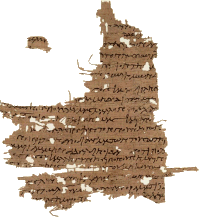
Gnostic Gospel of Mary Magdalene
The enormously popular Da Vinci Code, by Dan Brown in 2003 had captivated and brought a new phenomenon of spiritual interest amongst the masses. Hitting the 40million sales record worldwide and topping the charts of local New Zealand bookstores (Calvert-Koyzis, 2006; Tunnah, 2004), the mass media portrayal seems to imply that the novel is historically and factually accurate, thus encouraging an uncritical acceptance of popular ideas of the person of Mary Magdalene. Interestingly, the theory behind the novel draws inspiration from the earlier Holy Blood, Holy Grail, published in 1982 that was co-authored by a New Zealand-born author Michael Baigent. For the first time in the 21st century, issues of faith and biblical tradition had attracted such great interest in an egalitarian post-Christian New Zealand society.
Read More
by WEE Choon Wei
Gnostic Gospel of Mary Magdalene
The enormously popular Da Vinci Code, by Dan Brown in 2003 had captivated and brought a new phenomenon of spiritual interest amongst the masses. Hitting the 40million sales record worldwide and topping the charts of local New Zealand bookstores (Calvert-Koyzis, 2006; Tunnah, 2004), the mass media portrayal seems to imply that the novel is historically and factually accurate, thus encouraging an uncritical acceptance of popular ideas of the person of Mary Magdalene. Interestingly, the theory behind the novel draws inspiration from the earlier Holy Blood, Holy Grail, published in 1982 that was co-authored by a New Zealand-born author Michael Baigent. For the first time in the 21st century, issues of faith and biblical tradition had attracted such great interest in an egalitarian post-Christian New Zealand society.
Read More
Saturday, September 09, 2006
John Calvin - Father of the Reformed Faith

John Calvin
Father of the Reformed Faith
In my Bijisawi blog, I posted my quiz result "Which theologian are you?" and I got John Calvin. I am pretty much influenced by his theology which I collected from my upbringing in Air Jernih Presbyterian Church, Kuala Terengganu. Although there is no explicit teaching on the Institutes of the Christian Religion, or Calvinistic Theology, the conversations on the understanding of God, human nature, salvation and church government, in my home church is very much influenced by John Calvin.
Only in this year I managed to learn more about John Calvin, the Puritan Movement, John Knox, George Whitefield, Johnathan Edwards, Karl Barth and John Piper. Thanks to the Agora, Microsoft Encarta, Wikipedia, Hsen Han and Tania for sparking this interest in me to learn more. Though my understanding of Calvin's teaching is still very limited apart from the 5 solas, predestination and the tension with Arminianism, this article from CT is very interesting and informative. Read more
Sunday, September 03, 2006
Of kafirs, buffets and lion dance - a Malaysian Christian reflection
31st August marks another year for our nation to celebrate her 49th birthday. It is a celebration of independence, a celebration of national dignity and a celebration of growth from a helpless state terrorized by communism to one of the most advanced developing nations in the 21st century. Much had been achieved over the decades and today, Malaysia is the home of 25million people, of which 10% claims to be follower of Christ. From the early days of church planting and reaching the indigenous by Western missionaries, the church of Malaysia has grown to maturity with indigenous leadership, learning to be self-sufficient and self-propagating. It has gone through various challenges and changes throughout the decades, and increasingly becoming a blessing for the nation and a player in reaching the world for Jesus Christ.
After many years of being a Christian since my conversion, and living in a multiracial and multi religious society as a minority, with a new identity of being “anak Malaysia”. Born into a middle Class Chinese family, knowing little Mandarin, having English as my ‘first’ language, deemed as one of the kafir dhimmi variety in Muslim dominated Terengganu, interacting with my fellow Malay and Indian brothers, watching MTV and Wah Loi Toi on Astro, singing hymns and sitting on pews, jumping up and down in Planet Shaker’s conferences, adoring John Stott and the Pope, reading the success stories of Rick Warren and Yonggi Cho and going to mamak at the end of the church youth service. What does it mean to be a Malaysian Christian?
Who are we? Why are we here? Where are we heading to? Here are some thoughts of which I would like to put forward even as we make sense of our calling in this nation.
Firstly, it means that we are the co-heirs of this nation. The founding fathers of the nation had maintained that it is a country founded by mutual cooperation between races in the country through the Social Contract. While Islam is the religion of the constitution, the constitution guarantees equal rights as citizens to profess our religion and protection by the law. It is through power sharing that each of the different groups has a say and a choice in determining our future. We are not the underclass that exists by the mercy of others, but we are equal co-heirs of the future that is awaiting us. God has already chosen us to be His people and places us in this nation to shine His glory in this nation. Therefore as Christians, we are to contribute to the political, social and economic prosperity of our country. Living holy Christian lives within the ‘holy cuddle’ of the church community will be like living as a hermit in the caves, acquiring divine enlightenment, but not being able to pass it on to others. Instead we are to take up the call God has said in Jeremiah 29:7 “Work for the good of the cities where I have made you go as prisoners. Pray to me on their behalf, because if they are prosperous, you will be prosperous too.” We certainly need to exercise our democratic rights and to voice out our stand for Christ in matters of national interest. We also need to be actively involved in nation-building and social services in the name of Christ. Too many Christians today shun the education system, the civil and military services, without taking consideration to penetrate into the system and transform it for Christ. The cost of transforming the nation for Christ is not cheap. It calls for more Christians are to take up the call to serve God selflessly in areas where there is no Christian witness, no matter how hostile it may be. It is the call to redefine the “Kuala Lumpur Dream”.
Secondly it means that we are to be the witness for Christ in this nation. The Bible says that we are the royal priesthood, the holy nation who is set apart to proclaim the Kingdom of God (1 Pet 2:9). As the full consummation of His kingdom is yet to be fulfilled by His second coming, we are to preach the good news of Jesus Christ wherever we are including this country. It is His will that none should perish but all to be brought into His saving knowledge. Therefore, the calling is great and we have much to do in terms of reaching this nation! We need grow in evangelism and missions, to pay up the debt of the cross from the early missionaries by passing it on to those who have never met the reality of Jesus Christ. To proclaim the Word of God to every man is not an option, instead it is a command and the central theme of the whole Gospel and the Evangelical faith. Failure to live up to this calling I believe is the failure for us to grasp the central message of Christ’s mission to reconcile men with God. In the midst of our effort to dialogue with other faiths and worldviews, we need not water down the urgency for us to preach the Gospel and persuade both ‘the wise and the foolish’ to faith (Rom 1:14). We need to feel God’s sorrow for the sin of humanity, the physical and spiritual death it brings, and realize that righteousness comes from faith in Jesus Christ alone. Dr. Ng Kam Weng once proposed, for genuine interaction with pre-believers using truth, love and supernatural encounters as the reality of God.
Thirdly it means that we are to embrace the prophetic vision for this nation. We are to be a prophetic community in this 21st century that defies the odds of the day of which Ravi Zacharias described as “secularization, privatization and relativistism”. Secularism has created a void, which Blaisé Pascal described as “a God-shaped hole”. Privatization at the other hand has reduced faith as something personal and subjective, which has nothing to do with public life. Relativism, at its worst asserts no absolute truth, inherently denying the supremacy and exclusivity of Jesus Christ at the only way! Therefore we are to be a community that seeks to fill the spiritual gap of which secularism cannot fill. In a world of materialism, we are to be a community that values human dignity and worth as individuals created in God’s image. We are to be a community that portrays love. We are to be a community that radically engages with the culture and problems of the day in light of Biblical truths. Malaysian Christians, in my opinion should be the ones who live in simplicity in the midst of a greedy and ‘kiasu’ society. We should be the ones who publicly oppose ungodly values of our society such as corruption, social inequality between the rich and the poor, crime and sexual immorality. Like John the Baptist, we should be the “voice calling out from the wilderness” (Lk 3:4), calling the nation back to righteousness, which ultimately comes from Christ alone.
Fourthly, we are to be the Good Samaritans in our country. We need to be the ones who cry out for the poor, for the weak, for the marginalized. (Isaiah 61). We need to take our privileges and resources that God has entrusted us with to bless those who are underprivileged. James 1:27 says that “pure and genuine religion is this: to take care of orphans and widows in their suffering…” Though we are small, we have our part to play to portray the love of Christ in concrete actions to the weak and helpless. If we are unable to do so, then all our faith and the gospel that we preach, as described by 1 Corinthians 13, will be of no value. Our witness will not be effective if our own personal and corporate life do not show compassion and love, and the willingness to dirty our hands for those who are less fortunate than us. The Bible has clearly shown that God’s heart is for the poor, and if we are to be a generation “after God’s own heart”, then we ought to be a generation that cares for the poor. Our concern for the poor must not be made one of the many aspects of Christian discipleship, but it is our Father’s business as important as the verbal proclamation of the Word of God. If Jesus Christ is to be with us today, He will rather be playing congkak at the slums of Kampung Medan than playing golf. He will be distributing food for the hungry than having buffet meals for every Cell Group meeting. He will be at the back alleys of Chow Kit with the homeless, rather than in our air-conditioned, queen-sized bed youth camps singing endless songs which leads nowhere.
Fifthly we are to be the guardian of our culture. History has shown that Christianity is not an European religion, but an Asian one from the Middle East. The fact that today people from many tribes and tongues profess to believe in Jesus Christ proves the fact that it is universal. There was once a saying that goes “Another Christian means one less Chinese”. This statement is sad but true as many of us still live an Orang Putih version of Christianity. Many Christians today, coming from Asian background distance themselves from the culture that they come from. In the midst of globalization and erosion of traditional values which one way can be attributed to increasingly popular MTV culture, we need to be the people who are more ‘Asian’ than non-Christian! We need to be even more passionate for our own cultural identity than any other people, because the Gospel of Jesus Christ can only be made complete when it is totally relevant and meaningful to the culture that one comes from. We need to rediscover our cultural uniqueness and express the Christian faith in our local cultural experience.
Therefore, our Christian ritual and practices need to be reevaluated and redesigned to reflect our Asian identity. One of the ways the local culture has been expressed in Asian Christianity is the beautiful usage of gamelan and traditional dances by the Church of Bali in their worship, and their beautiful Balinese architecture in church buildings. Imagine how glorious it is if the Malaysian Church can tap on the wealth of our multiracial heritage to enrich our church life. With the beautifully sounding gamelan, gong and er-hu, coupled with the elaborate kuda kepang (e.g. Jesus riding the donkey to Jerusalem) and lion dances (e.g. the Lion of Judah), plus the usage of local literary heritage of pantun and syair, without neglecting the modern acoustics and percussions, it is beyond imagination. Let us be the preservers of our cultural tradition so that in the future, Malaysian Christians will be more ‘Malaysian’ than any other ordinary Malaysian.
Sixthly, we are to be the sons of the soil. We are to embrace the Promised Land that God has given to us, the ‘tanah tumpahnya darahku’. Like the Israelites who were promised the land of Canaan, we are the heirs, the future ‘bumiputra’ of the land that God has given to us. Our pilgrim identity as Chinese and Indian immigrating from one country to another, with no motherland should end. As Wong Chun Wai, columnist of the Star boldly stressed, “This is our country, there is no other country”, it is my prayer that Christians of Malaysia can weep for God’s glory to fall on this nation. The rebuke of Joshua in 18:3 rings clear, “How long shall you wait for you to take the land God has given you?” It is not a coincidence that God has placed us in this country for “such as time like this” (Est. 4:14). Thus this calling to be Malaysians should be embraced with eagerness to sing the glorious chorus of “Malaysia bagi Kemuliaan-Mu”. It may not be an easy for some, but it was not an easy experience for the Israelites in Canaan either. But they persevere with hope in their God Jehovah who made a covenant with them, and anticipate for the future glory that comes through the Messiah. Let us then set our eyes on Jesus, the Lord of Malaysia. Let us be known for our patriotism, our dedication to our leaders and our love for peace and prosperity. Let us embrace the history of our country as our own, to weep over the wounds of the past and the present, such the May 13 incident and the ever pressing socioeconomic inequalities. Let us be the loyal ones who will stand together with our fellow Malaysians through thick and thin. Let us put our loyalty on God who entrusts us to be intercessors for this land. It is a God-given honor to be called “anak Malaysia”.
Lastly, we are to be a united community in the midst of diversity. Our nation’s diverse character should be reflected in our churches. We can no longer afford to live within the comfort zone of our racial, cultural and language boundaries, but to actively seek to integrate with other sub-communities within our Christian brotherhood. Although the dismantling of denominational lines is progressing well within the Malaysian Church, there is so much more to do in terms of addressing other unseen differences. We need to rediscover the uniqueness of Bahasa Malaysia as the language of unity and national identity, and should not overemphasize English just for the sake of convenience. Urban middle-class English speaking churches need to be humble to understand the struggles of rural Chinese-speaking churches and East Malaysian BM churches to conform to the over dominance of the English language. By ignoring the unseen lines of linguistic, cultural, or even socioeconomic differences, we are fooling ourselves with a superficial sense of unity. An East Malaysian Christian should not at any point feel that he is a second-class Christian just because he is unable to assimilate well into an English-dominated West Malaysian Christianity. Neither should Mandarin-speaking or Tamil-speaking Christians feel the same. Instead, we need to affirm each other of our partnership in Christ. The English language, that gives economic and educational advantage to many should not be made a stumbling block for some of our ‘weaker’ brothers and sisters to grow in faith. Therefore, as lamented by David Boler, the founding chairman of NECF, Malaysian Christians need to seriously reconsider the status of Bahasa Malaysia in our churches, I believe the national language is the best tool to bridge our differences and to reflect our national identity, despite of how inconvenient it may be. “Read the Bible in Bahasa, sing in Bahasa, pray in Bahasa,” he suggested. Unless and until we do so, we will never face the reality of our own disintegration.
In conclusion, our identity as Malaysian Christians is a unique one as it encompasses various facets of our faith, the culture and the society that we are placed in, in light of the changing world. We are a minority in the Muslim-dominated multireligious society; we are the on-going prophetic community that traces our heritage back to the Judeo-Christian tradition, and also a community which is deeply rooted in our Asian culture and Malaysian society. The social position and cultural richness that we have should be nurtured and celebrated, as it shows off God’s creativity and glory in human society. Even as we remember our 49th year of independence, let us remember that Malaysia is created by God, and we are chosen to part of God’s story to reveal His glory, until He comes again. While we anxiously wait for the new Jerusalem, let us live faithfully to the calling that God has placed upon our “anak Malaysia” generation; to be the salt and light of the nation, and to proclaim the glorious revelation of the resurrected Christ. Maranatha!
Malaysia bagi Kemuliaan-Mu
Friday, August 18, 2006
Jesus and Alexander
 Charles Ross Weede wrote the following poem entitled ‘Jesus and Alexander’:
Jesus and Alexander died at thirty three,
One lived and died for self; one died for you and me,
The Greek died on a throne; the Jew died on a cross,
One’s life a triumph seemed, the other but a loss,
One led vast armies forth; the other walked alone,
One shed a whole world’s blood; the other gave His own,
One won the world in life and lost it all in death,
The other lost His life to win the whole world’s faith.

Jesus and Alexander died at thirty three,
One died in Babylon; and one on Calvary,
One gained all for self; and one Himself He gave,
One conquered every throne; the other, every grave,
One won all the earth, to lose all earth and heaven,
The other gave up all, that all to Him be given,
The Greek forever died; the Jew forever lives
He loses all who only gets; and wins all who truly gives
Thursday, July 27, 2006
Mengubah Bangsa Melalui Gereja
“Dengan sepenuh hati kami percaya bahawa doa
meningkatkan daya pendorong untuk menyatukan gereja,
mazhab, dan orang beriman, lelaki dan perempuan, tua
atau muda. Doa bersama yang berterusan membawa
penobrosan dalam setiap segi kehidupan – masyarakat,
ekonomi, politik, pendidikan, hiburan dan seni, dan yang
lain-lain.”
PRAKATA
Dalam Matius 28.19, Tuhan kita Yesus Kristus memerintah kita
untuk menjadikan “semua bangsa di seluruh dunia...pengikut-
Ku”. Sering kali perintah ini ditafsirkan sebagai terma
keindividualan, iaitu orang perseorangan daripada bangsabangsa
kita jadikan pengikut Tuhan Yesus. Meskipun ini adalah
erti utama teks itu, tafsiran yang merujuk kepada orang
perseorangan semata-mata tidak cukup. Seorang individu
hidup dalam masyarakat dan bangsa dengan struktur,
perhubungan, nilai dan budayanya. Jika Injil mengubah
kehidupan individu yang berdosa, maka ia juga harus
mengubah struktur yang tidak adil di tempat tinggal individu
tersebut.
Dalam Alkitab diterangkan dengan jelas bahawa Tuhan
bukan hanya memberi perhatian kepada individu tetapi juga
bangsa-bangsa. Dalam Perjanjian Lama, bangsa-bangsa sering
diperlakukan sebagai satu entiti yang mendapat berkat
ataupun hukuman. Walaupun individu itu ditonjolkan dalam
Perjanjian Baru, namun keprihatinan Tuhan terhadap bangsabangsa
tetap berterusan.
Bagaimanakah bangsa yang dimuridkan? Jawapannya
terletak pada konsep Pemerintahan Allah yang sering diajarkan
oleh Yesus tetapi diabaikan oleh Gereja moden. Pemerintahan
Allah telah dimulakan dengan rasmi tetapi belum
disempurnakan. Untuk sementara waktu, orang Kristian
ditugaskan untuk menyatakan Pemerintahan Allah dalam
Gereja dan membawa dunia ke arah kesempurnaan ini.
Yesaya 9.1-7 merupakan gambaran dalam nubuat
mengenai pemerintahan Kristus pada masa akan datang. Dari
sini, kita meninjau 4 ciri bangsa yang dimuridkan – negara
menikmati kecukupan ekonomi, keamanan sosial, keadilan
awam dan kesaksamaan.
“. . . seperti orang bersukacita semasa menuai hasil
tanaman” (Yes 9.3)
Dalam Pemerintahan Allah, orang miskin tiada lagi.
Sedihnya, kemiskinan masih suatu kenyataan hidup pada masa
ini. Sebenarnya, jurang di antara orang kaya dan orang miskin
semakin membesar. Takrif Wawasan 2020 tentang kecukupan
ekonomi adalah suatu keadaan yang menggembirakan apabila
tiada seorang pun warga Malaysia yang kekurangan makanan,
keperluan asas dibekalkan kepada semua, dan peluang dibuka
dengan sepenuhnya kepada mereka yang berada di kategori
rendah untuk bertambah maju dan keluar daripada
kemiskinan. Gereja mempunyai peranan penting untuk
memberikan kuasa kepada orang miskin untuk mencukupi diri
mereka sendiri.
“Raja Damai. Kekuasaan-Nya akan terus bertambah;
pemerintahan-Nya akan sentiasa aman” (Yes 9.5, 6)
Dalam masyarakat berbilang kaum dan majmuk hari ini,
keamanan sosial semakin sukar dicapai. Gereja telah diberi
pelayanan perdamaian (2 Kor 5.8-19). Orang Kristian boleh
terlibat dalam pelbagai usaha perdamaian dan menjadi
pengantara, dsb. Bagaimanapun, keamanan sosial yang sejati
mesti bermula dengan perdamaian dengan Tuhan,
perdamaian dengan diri sendiri dan perdamaian dalam Gereja.
Keamanan sosial juga sesuai untuk kemakmuran ekonomi.
“pemerintahan-Nya akan berdasarkan hukum” (Yes 9.6)
Keadilan awam adalah dasar keamanan sosial, jika keadilan
itu bukan paksaan atau kekerasan semata-mata. Keadilan
sangat dititikberatkan dalam Alkitab – perkataan ini dan katakata
seerti disebut kira-kira 500 kali dalam Perjanjian Lama dan
200 kali dalam Perjanjian Baru. Keadilan adalah prinsip
tertinggi bagi institusi dan sistem di dunia dalam masyarakat
yang sudah jatuh ke dalam dosa. Ia menyediakan
perundangan yang sama rata dan adil untuk setiap orang.
Orang Kristian dalam masyarakat majmuk harus mendasarkan
unsur-unsur keadilan awam di atas standard etika umum,
tetapi pada masa yang sama cukup berani untuk berpegang
pada prinsip Alkitab dan menghormati satu sama lain.
“pemerintahan-Nya akan berdasarkan . . . keadilan” (Yes
9.6)
Keadilan dan kebenaran berjalan seiring. Sekiranya setiap
orang berlaku adil dalam hal memberi hak atau milik orang lain,
maka keadilan peringkat kebangsaan akan terjadi. Orang
Kristian mempunyai peranan penting di sini. Dalam dunia yang
sering mengubah erti kebenaran dan moral, orang Kristian
mesti membela kebenaran yang mutlak. Meskipun kita tidak
memaksakan nilai moral kita kepada orang lain, kita harus
mengamalkannya sebagai kesaksian kepada mereka dan
berusaha untuk menerapkan nila-nilai Yahudi-Kristian dalam
seluruh peringkat masyarakat.
Bagi sebilangan orang, berfikir untuk memuridkan satu
bangsa mungkin terlalu sukar. Bagaimanapun, setiap orang
Kristian boleh menjadi terang kepada orang di sekelilingnya,
setiap gereja tempatan boleh membawa perbezaan di
kawasan kejiranannya, dan beberapa gereja dalam satu
masyarakat boleh bekerjasama untuk memberikan kesan yang
lebih besar. Melalui kesaksian kita, orang lain boleh tertarik
sehingga bukan saja ingin mengikut teladan kita tetapi
mengikut Tuhan juga.
Rev. Wong Kim Kong
Setiausaha Agung
Friday, June 30, 2006
Krisis Bahasa Melayu di kalangan bukan Melayu
Saya ingin mengambil idea Dr. Mahathir dalam ucapannya kepada pelajar-pelajar UTP tempoh hari bahawa sehinggalah Kaum Melayu mencapai kejayaan dan kecemerlangan di peringkat nasional dan antarabangsa, sehingga itulah Bangsa Malaysia sukar untuk diwujudkan. Saya fikir ada banyak logik dan ketajaman pendapat yang dikeluarkan oleh Dr. Mahathir tersebut.
Begitu jugalah dengan Bahasa Melayu agaknya. Perbualan dengan rakan saya tempoh hari berkisar tentang topik ini dan dia menyatakan sesuatu yang sangat menarik sekali. Sekiranya Bahasa Melayu menjadi bahasa yang antarabangsa, bahasa yang mempunyai nilai ekonomi, bahasa yang menguasai sains dan teknologi, bahasa yang menguasai dunia perniagaan, maka orang akan berpusu-pusu belajar Bahasa Melayu dan universiti-universiti awam dalam medium BM akan menjadi rebutan.
Namun hakikatnya, ini tidak berlaku pada masa sekarang. Polarisasi kaum di tambah pula dengan ketidakupayaan minoriti bukan Melayu untuk berkongsi persamaan dengan orang-orang Melayu dari banyak segi menyebabkan bukan Melayu tidak mempunyai satu insentif untuk mempelajarinya, jauh sekali untuk menggunakannya. Sebagai contoh, sekiranya Ah Chong belajar di SRJK C, Ah Chong mungkin tidak pernah berjumpa dengan mana-mana sahabat Melayu di sekolah kecuali guru-guru Bahasa Melayu di sepanjang 6 tahun persekolahan. Ah Chong mungkin hanya menguasai BM secara asas sahaja.
Ditambah pula dengan kawasan tempat tinggal Ah Chong yang dikelilingi jiran tetangga Cina kelas menengah di Taman Perumahan yang mewah di ibukota, pertembungan Ah Chong dengan BM adalah terhad, mungkin kepada pembantu rumah Indonesia dan kerja rumah sahaja. Keluarga Ah Chong akan bersahabat dengan keluarga Cina yang lain, menyertai pertubuhan sosial Cina dan aktiviti masyarakat Cina, dan membincangkan isu-isu yang hanya berkait rapat dengan kecinaan. Prejudis perkauman mungkin akan diturunkan kepada Ah Chong melalui perbualan keluarga Ah Chong sehari-hari, mengurangkan perasaan hormat Ah Chong kepada Bahasa Melayu. Mungkin disebabkan faktor ekonomi dan prospek masa hadapan, Ah Chong besar kemungkinan akan disuruh dan digalakkan untuk menguasai Bahasa Inggeris sejak kecil. Tetapi Ah Chong tidak akan digalakkan untuk belajar Bahassa Melayu, malah Ah Chong mungkin disuruh supaya bercakap dengan pembantu rumah dalam Bahasa Inggeris!
Apabila melanjutkan pelajaran ke sekolah menengah, Ah Chong kini mempunyai jaringan sahabat dari SRJK yang rata-ratanya Cina. Secara natural Ah Chong setentunya akan bersahabat dengan rakan-rakan Cina di sekolah walaupun SMK mempunyai komposisi kaum yang lebih seimbang. Dalam perbualan sosial, Ah Chong akan menggunakan bahasa Cina dan Inggeris. Ah Chong tidak mempunyai insentif untuk berinteraksi dengan pelajar-pelajar Melayu ataupun untuk bertutur dalam bahasa Melayu dalam interaksi sosial. Apabila ditegur oleh guru-guru Bahasa Melayu, Ah Chong memberi alasan "Saya tidak begitu fasih dalam BM" dan Ah Chong akan dimaafkan. Oleh kerana banyak daripada pelajar-pelajar Melayu yang sebaya dengan Ah Chong telah ditawarkan ke MRSM dan Sekolah-sekolah Berasrama Penuh, kelas Ah Chong mempunyai majoriti pelajar bukan Melayu, dan ini mengurangkan lagi peluang Ah Chong untuk bertembung dengan Bahasa Melayu.
Ah Chong mungkin akan dihantar ke kelas tuisyen untuk subjek Bahasa Melayu. Tetapi ibubapa Ah Chong mempunyai kenalan seorang guru tuisyen kaum Cina yang mengajar subjek Bahasa Melayu, kerana ibubapa Ah Chong sendiri mempunyai jaringan kenalan Melayu yang sangat sedikit. Meskipun Ah Chong belajar Bahasa Melayu daripada guru tersebut, tetapi interaksi dalam BM amatlah sedikit kerana guru tersebut akan menerangkan subjek tersebut dalam bahasa Inggeris dan Cina. Ah Chong mungkin akan bermain permainan komputer. Tetapi disebabkan permainan komputer tersebut dalam Bahasa Inggeris / Jepun, Ah Chong tidak bertembung dengan Bahasa Melayu. Ah Chong juga sangat jarang menonton TV1, TV2 dan TV3, kerana mempunyai siaran ASTRO Wah Loi Toi. Ah Chong tidak kenal Siti Norhaliza kerana sering melihat konsert Jay Chou dan artis artis Cina di TV. Dengan kewujudan MTV, Ah Chong juga akan berjinak-jinak dengan musik Inggeris, tetapi tidak tahu menahu tentang artis Melayu, apatah lagi untuk mengenal P Ramlee.
Ah Chong juga terkejut kerana kenalan-kenalan Ah Chong di kalangan orang Melayu (yang sedikit) tidak pula meminati hiburan-hiburan Melayu tetapi meminati lagu-lagu dan drama Jepun, Korea, Bollywood dan sebagainya. Ah Chong juga tidak tahu menahu tentang hubungan Siti Norhaliza dengan Datuk K, yang akan berkahwin kerana Ah Chong jarang membaca sebarang akhbar Melayu, kecuali akhbar percuma yang disumbang oleh Utusan Melayu sekali-sekala kepada sekolahnya. Walaupun Ah Chong membacanya, Ah Chong tidak faham langsung apa yang dibacanya kerana isu yang dibincangkan adalah isu-isu orang Melayu, yang sama sekali tidak mempunyai apa-apa kaitan dengan hidup Ah Chong (contoh, isu kahwin misyar, isu Israel-Palestin). Akhbar The Star dan Nanyang SiangPau yang dilanggan oleh bapa Ah Chong pula tidak memaparkan isu orang Melayu secara khusus dan lebih menumpukan hal-ehwal bukan Melayu, maka Ah Chong mempunyai pendapat seolah-olah isu-isu nasional hanyalah tertumpu kepada kaum bukan Melayu di Lembah Kelang, Pulau Pinang, dan Johor Bahru, bukannya di Kota Bharu, Gua Musang, Kampung Baru, Permatang Pauh, Sungai Siput dsbg. Baginya, Kota Bharu itu seolah-olah hutan yang didiami oleh orang-orang yang pelik.
Ah Chong juga jarang sekali makan di warung-warung. Makanan Melayu baginya hanyalah terdapat di restoran-restoran Mamak yang pedas, yang itupun sekali sekala apabila bapanya membawanya untuk supper apabila ada perlawanan bola sepak. Masa itu pun dia hanya akan memesan roti telur dan teh tarik kurang manis sebab itu sahaja menu yang diketahuinya. Biasanya Ah Chong akan dibawa ke restoran Cina dan restoran-restoran makanan segera. Ah Chong tidak pernah merasai sup bunjut kerana dia tidak menonton siaran iklan Adabi (ingat dia hanya menonton Astro!).
Apabila Ah Chong mendapat B4 dalam matapelajaran BM dan Biologi dalam Percubaan SPM. Bapanya sungguh marah terhadap Ah Chong. Katanya, "B4 Biologi macammana nak jadi doktor?". Tetapi bagi BM, bapanya kata "Bolehlah dimaafkan". Oleh itu, Ah Chong tidak begitu menumpukan usaha untuk memperbaiki BMnya dan akhirnya hanyalah mendapat B3 dalam SPM BM dan A1 untuk Biologinya. Dengan keputusan yang cemerlang, Ah Chong mula mempertimbangkan di mana dia ingin melanjutkan pelajaran.
Dia langsung tidak memohon untuk memasuki Matrikulasi Kerajaan, malah tidak tahu menahu tentang kewujudannya. Dia juga tidak mahu belajar di Tingkatan6 kerana kata bapanya, guru di sekolah tidak berkualiti. Dia pun memohonlah untuk belajar A-levels di kolej-kolej swasta bersama rakan-rakan bukan Melayu yang lain. Rakan-rakan Melayu di sekolahnya masa itu masih menunggu keputusan Matrikulasi ataupun biasiswa JPA/MARA. Di kolejnya, dia bergaul dengan rakan bukan Melayu dan tidak sekalipun bertembung dengan Bahasa Melayu dalam pelajaran mahupun kehidupan sosial. Dia mengira-ngira kemampuan bapanya untuk menghantarnya ke program perkembar Pengurusan Perniagaan dengan Universiti Monash di Australia, kerana bapanya tidak mampu untuk membiayai kos keseluruhan di situ. Dia bercita-cita agar satu hari dia dapat berhijrah ke Australia dan bekerja di situ, kerana ramai di kalangan kenalannya berbuat demikian. Dia tidak mempunyai apa-apa perasaan terhadap Bahasa Melayu, identiti Melayu, kebudayaan Melayu dan semangat nasionalisme Melayu. Dia hanyalah mengetahu dia merupakan seorang rakyat Malaysia kelas menengah yang bertutur dalam Bahasa Inggeris dan Cina, dan tinggal di Lembah Kelang, dan bercita-cita besar untuk membina kerjaya di negeri orang.
Itulah situasi yang menjadi kelaziman meskipun ada sesetengah contoh dilebih-lebihkan. Ini contoh semata-mata.
Apakah yang boleh kita simpulkan melalui hidup dan pengalaman Ah Chong?
Senaraikan faktor yang menyebabkan krisis kedudukan Bahasa Melayu di kalangan Bukan Melayu?
Tuesday, June 27, 2006
Krisis Bahasa Melayu di kalangan bukan Melayu
Saya sungguh tertarik dengan blog Shen Yee Aun di Persada Dunia. Sungguh gembira sekali apabila dapat berjumpa seorang lagi yang berkongsi aspirasi dan komitmen terhadap bahasa Melayu, lingua franca bagi seluruh nusantara ini.
Sungguh menyedihkan sekali apabila saya melihat semula sistem pendidikan di negara kita. Sudahlah pada peringkat tadika, kita disogokkan dengan pelbagai jenis sistem tadika. Sistem Smart Readers, sistem Montessori, tadika-tadika swasta yang dipelopori usahawan-usahawan berasaskan kaum, tadika pelbagai kaum seperti oleh sekolah-sekolah mubaligh berteraskan Bahasa Inggeris, tadika Islam, dan sebagainya, termasuklah KEMAS yang setentunya tidak pernah mendapat sambutan di kalangan bukan Melayu. Lapisan pertama segregasi kaum.
Lapisan kedua segregasi kaum datangnya pula dari sekolah-sekolah rendah. Sekolah Kebangsaan yang hanya mempunyai majoriti murid-murid Melayu dan selebihnya murid-murid bukan Melayu di sesetengah tempat. Sekolah Jenis Kebangsaan pula jelas menempatkan murid-murid bukan Melayu dan memberi pendidikan dalam bahasa ibunda masing-masing. Sekolah Antarabangsa yang hanya dihadiri anak-anak golongan menengah dan kaya di bandaraya (dan setentunya mempunyai pembahagian etnik yang tidak seimbang). Ini tidak termasuk lagi Sekolah Agama Rakyat dan berbagai jenis lagi.
Lapisan ketiga pula memperlihatkan segregasi yang lebih kompleks lagi. Walaupun sistem sekolah menengah kebangsaan disatukan dibawah medium Bahasa Melayu segregasi berasaskan kaum menjadi lebih kuat lagi. SMK yang dihadiri majoriti, diikuti oleh SBP dan MRSM (dan variasi-variasi yang sewaktu dengannya), termasuklah sekolah-sekolah Cina dan Inggeris yang dimelayukan, dan juga sekolah-sekolah swasta seperti Chinese Independent School dan juga sesetengah sekolah berasaskan agama yang ingin mengekalkan identiti keagamaannya. Di sinilah, segregasi kaum dimantapkan dengan sungguh kuat sekali di mana tiada jalan berbalik mampu mengatasinya.
Lapisan keempat, ataupun lapisan yang paling sensitif iaitu pendidikan tinggi, memperlihatkan segregasi yang lebih hebat lagi. Dengan pelajar kaum Cina, (maafkan saya atas generalisasi. Saya tidak memaksudkan semua.) yang rata-rata kelas menengah lebih tertarik kepada institusi swasta kerana imej, kualiti dan prestij yang diperoleh. Yang berkemampuan pula cenderung untuk menghantar anak-anak mereka untuk ke universiti terkemuka di luar negara, dengan sanggup menjual harta benda untuk sekeping ijazah di luar negara. Ada yang tidak sama sekali memikirkan langsung kebarangkalian untuk memohon memasuki universiti awam? Mengapa halnya demikian?
Satu sebab mungkin adalah imej dan penjenamaan. Universiti Limkokwing memperlihatkan imej yang cool, canggih dan sofistikated. Begitu juga institusi swasta lain yang mencelup nama luar negara ('international' lah kononnya, Malaysia ni local sangat.). Hubungan rapat antara pengusaha universiti dengan majikan industri menyebabkan graduan IPTS mempunyai peluang yang lebih cerah untuk mendapatkan pekerjaan. Pencelupan dan koordinasi dengan universiti luar negara dalam program berkembar dan quality control seolah-olah memberi satu prestij kepada IPTS.
Ketidakupayaan universiti awam untuk menjadi dinamik dan pragmatik untuk menarik pelajar terbaik negara menyebabkan universiti tersebut gagal menarik minda yang terbaik dari golongan muda untuk menuntut di universiti awam. Biasiswa undergraduate luar negara banyak diberikan, ditambah pula dengan biasiswa ASEAN-Singapura telah mengalirkan bakat tempatan ke universiti-universiti luar.
Contoh yang paling simple ialah kecenderungan universiti tempatan menamakan institusinya secara tidak glamour. Nama-nama macam KUTPM, KUSTEM, KUKTEM dan berbagai-bagai akronim IPTA sangat panjang dan tidak sedap didengar. Saya mencadangkan agar Jawatankuasa Memilih Nama Sedap ditubuhkan dalam Kementerian Pelajaran Tinggi. Susah sangatke namakan IPT tempatan dengan nama Kajang University atau University of Gombak, barulah authentic sikit.
Balik kepada topik. Pelajar-pelajar Melayu pula lebih cenderung kepada IPTA kerana IPTA lebih Malay student-friendly. Kemasukan yang lebih mudah, sistem kemasukan yang lebih terbuka, suasana universiti yang lebih bercorakkan budaya kemelayuan, merupakan faktor penarik kepada pelajar-pelajar Melayu. Meskipun bilangan pelajar bukan Melayu agak signifikan, segregasi kaum akibat sistem persekolahan menular ke dalam IPTA dan IPTS.
Soal pembiayaan tidak menjadi isu kerana semua siswa mempunyai peluang yang tinggi untuk mendapat pinjaman di IPTA dan IPTS. Jadi faktor kewangan tidak seharusnya menjadi faktor utama ketidakseimbangan etnik di IPTA dan IPTS.
Golongan ketiga pula adalah golongan lulusan pelajar sekolah Cina swasta yang satu ketika dahulu mempunyai mentaliti bahawa "suatu hari nanti China akan menguasai dunia". Hahaha. Doa mereka dimakbulkan, tetapi malang sekali beribu-ribu rakyat China sekarang berebut untuk belajar Bahasa Inggeris untuk keluar dari kepompong kemunduran. Golongan ini menyembah sistem pendidikan di Taiwan, Hong Kong dan China.
Golongan keempat adalah golongan yang desperate untuk menjadi doktor. Seolah-olah dunia ini dipenuhi dengan ubat-ubatan dan penyakit-penyakit sahaja. Berpusu-pusu merayap ke serata dunia untuk mencari peluang belajar perubatan, dari Jepun hinggalah ke Czechoslovakia (satu pusingan dunia). Golongan ini berpendapat, kalau jadi doktor, takpayahlah susah susah pergi interview kerja, gerenti dapat kerja, orang respect, senang cari isteri, mas kahwin mahal sikit etc. etc. Golongan ini pun dibayangi pembahagian secara kaum, kaum yang mempunyai taraf sosioekonomi tinggi memilih negara Barat, yang mempunyai bantuan kerajaan pergi Jepun, Eropah, yang sederhana memilih India, Indonesia, Russia, China, Taiwan, yang desperate pergilah Ukraine, Czech, Mesir dbsg.
Satu lagi golongan yang sering dipinggirkan daripada agenda nasional ialah pribumi Sabah dan Sarawak. Sekadar memberi UMS di negeri itu, dan memberi beberapa kerat biasiswa kepada mereka seolah-olah memperlihatkan tiada kesungguhan politik dalam meningkatkan sosioekonomi mereka. Akibatnya, terpinggirlah mereka daripada peluang-peluang pendidikan di ibu negara mahupun ke luar negara. Balik-balik belajar kat Kota Kinabalu dan Kuching sahaja. Mereka patut diberi peluang yang lebih untuk menikmati kepelbagaian pilihan pendidikan yang ada seperti orang-orang di semenanjung. Akibat tersekatnya peluang ini, integrasi Semenanjung dengan Malaysia Timur seolah-olah mimpi di siang hari.
Golongan-golongan lain termasuklah anak-anak duta, peniaga, korporat, mahasiswa luar negara yang disekolahkan di luar negara, dan kembali semula ke tanah air. Keupayaan untuk ke luar negara mencerminkan taraf sosioekonomi secara tidak langsung. Apabila taraf sosioekonomi dipertimbangkan, maka ketidakseimbangan kaum akan berlaku lagi.
Itulah warna-warni kehidupan Malaysia dari segi PENDIDIKAN.
PENDIDIKAN mencerminkan taraf sosioekonomi.
TARAF sosioekonomi mencerminkan kaum.
KAUM mencerminkan agama.
Sampai bilakah stereotaip pendidikan, ekonomi, kaum dan agama akan berterusan?
Saya tidak tahu.
Apa kaitannya pula semua ini dengan Bahasa Melayu? Nantikan blog saya yang seterusnya...
Monday, June 26, 2006
Apologetics
Salah satu daripada soalan yang perlu ditanyakan oleh setiap pengikut Tuhan yang ikhlas ialah, adakah apa yang saya percaya ini olok-olok sahaja? Sekiranya kita menutup sebarang peluang untuk memikirkan persoalan ini, kita sebenarnya berada dalam krisis kerana iman buta (blind faith) adalah lebih bahaya daripada ketidakpercayaan sama sekali.
Daripada persoalan-persoalan untuk mempertikaikan kebenaran Kristianiti, timbullah satu disiplin ilmu yang dipanggil apologetics. Disiplin ini bukanlah untuk meminta maaf, tetapi membawa maksud mempertahankan hujah-hujah agama.
Mungkin anda sebagai pembaca akan bertanya "Mengapakah pula penulis menyatakan dalam post terdahulu bahawa polemik adalah sia sia?".
Polemik sia-sia yang saya maksudkan ialah perdebatan/diskusi yang hanya tidak ikhlas, semata-mata untuk mencari keburukan, kelemahan dan ketidakupayaan seseorang penyampai untuk berdebat. Orang-orang yang terlibat dalam polemik jenis ini hanyalah membazir masa kerana masa yang diluangkan tidak mendatangkan apa-apa hasil yang konkrit, yang adapun hanyalah beberapa saat kegembiraan apabila pihak lawan gagal memberi jawapan yang bernas. Mereka tiada keinginan untuk mencari kebenaran yang mutlak.
Banyak isu-isu yang boleh dipertikaikan, antara yang menarik perhatian saya ialah
- Isu Ketuhanan ~ Adakah Tuhan wujud? Apakah sifat-sifat-Nya? Adakah gambaran yang diberikan kepada Tuhan hari ini sama dengan gambaran yang dijelaskan dalam kitab?
- Isu Trinitas ~ Persoalan antara monotheisme ataupun polytheisme
- Isu Alkitabiah ~ Adakah Alkitab sahih? Apakah hujahnya? Adakah teori bahawa ia telah dikorupkan boleh diterima? Bagaimanakah pula dengan buku-buku yang tidak dikanunkan? Jika kitab pun perlu ditentukan oleh manusia, bukankah ini agama buatan manusia?
- Isu Yesus Kristus ~ Adakah Dia mati dan bangkit semula? Siapalah sangat dia itu untuk mengaku dirinya Tuhan? Adakah dia mencipta burung daripada tanah liat dan bertutur semasa dilahirkan? Adakah Dia tidak berdosa? Apakah tujuan kedatangan Yesus, adakah untuk mewujudkan agama baru ataupun semata-mata untuk mereformasikan Judaisme? Adakah konsep Anak Tuhan serupa dengan konsep kepercayaan pagan?
- Isu Nabi-Nabi ~ Setakat manakah Judaism boleh terlibat dalam Kristianiti? Adakah Islam wujud sebelum Nabi Muhammad?
Persoalan-persoalan yang mencabar minda. Ingin saya ungkapkan daripad CS Lewis,
If Christianity were something we were making up, of course we would make it easier. But it is not. We cannot compete in simplicity with people who are inventing religions. How could we? We are dealing with fact. Of course anyone can be simple if he doesn't have any facts to bother about." —C. S. Lewis, Mere Christianity (MacMillan, 1952), p. 129
Thursday, June 22, 2006
Renungan
Saya seringkali berfikir, jika semua agama di dunia ini mempertahankan 'kebenaran' dan 'mengkafirkan' agama-agama yang lain, bagaimanakah kita menentukan siapa yang benar dan siapa yang salah?
Malang sekali persoalan ini terus mengiang-ngiang dalam benak saya semenjak saya berusia 10tahun lagi. Di sebalik kesibukan rakan-rakan sebaya saya bermain di padang bola sepak, saya sibuk berfikir tentang perbezaan antara 'Brahma', 'Vishnu' dan 'Siva'. Di sebalik kegilaan rakan-rakan saya terhadap Komik Dragon Ball Z, saya bimbang dengan Bursa Saham Kuala Lumpur yang diancam kegawatan ekonomi.
Mungkin kerana keputusan ibu bapa saya untuk menyekolahkan aku di sekolah kebangsaan di mana majoriti pelajarnya kaum Melayu, menyemarakkan lagi minat saya untuk menyiasat pertembungan budaya dan agama. Persoalan-persoalan yang sentiasa diajukan kepada saya saban tahun oleh rakan-rakan Melayu seperti "Betul ke mu dok pernoh semayang? (merujuk kepada solat 5 waktu), atau "Babi tu sedap ke?", atau "Mu kafir, meh aku ajor mung 'ngucap" atau "Apek cina basuh berak pakai tisu" memberi saya satu keinginan untuk terus menyiasat, menganalisa, mencari persamaan, mencari perbezaan, mengkritik dan mencari kekuatan apa-apa sahaja yang saya temui, khususnya cara hidup, mentaliti, falsafah hidup, kebudayaan dan agama orang-orang Cina dan Melayu.
Saya masih ingat terbaca buku "Muhammad in the Bible" semasa kecil dan terkejut melihat tajuk buku tersebut di kedai buku berdekatan rumah saya. Kerana saya kenal rapat dengan tuan punya kedai tersebut, saya meminjam buku tersebut untuk dibaca dan buku itu menimbulkan banyak persoalan kepada saya. Siapakah itu Muhammad? Benarkah dia dinubuatkan di dalam Bible? Adakah pihak 'Orientalis' menipu (mengkorupkan kitab-kitab suci)? Namun, kerana ketiadaan internet ketika itu dan kerana tiada orang yang boleh saya rujuk, saya kuburkan sahaja persoalan itu di dalam hati.
Ketika saya berumur 11 tahun saya dihantar ke rumah seorang guru tusyen, Ms. Shanti. Di situlah saya mula berinteraksi dengan seorang dewasa tentang persoalan-persoalan yang lazim ditanyakan oleh seorang kanak-kanak (tak termasuk ibubapa saya). Satu persoalan besar yang saya tanyakan, "Semua agama menyatakan ia benar, bagaimanakah kita mengetahui Tuhan manakah yang benar?"
Ms Shanti menjawab, "awak berdoalah kepada semua Tuhan yang kamu tahu, dan mintalah/cabarlah 'Tuhan' menjawab, dan sekiranya dia membuktikan kewujudannya, Dialah Tuhan". Suatu pernyataan yang sungguh mengagumkan. Dan minda kecil saya pun kembalilah ke rumah dan terus memikirkan pernyataannya. Jauh di sebalik hati saya ada keinginan yang ikhlas untuk mengetahui 'Siapakah Tuhan itu' dan meminta-Nya untuk menunjukkan dirinya kepada saya.
Malang sekali Dia tidak datang melalui 'wahyu' malaikat, ataupun 'mimpi yang ajaib' ataupun melalui pendakwah-pendakwah. Dia datang secara senyap-senyap. Berkali-kali saya telah diselamatkan daripada dilanggar kereta ketika melintas jalan di hadapan rumah saya, malah ada sekali saya dipisahkan dengan hanya 1 inci daripada kereta yang mendatang. Banyak doa saya telah dikabulkan oleh 'Tuhan' yang tidak saya kenali ini, tidak kira untuk pelajaran saya, kesihatan mahupun hal-ehwal seharian.
Apabila saya mula memasuki sekolah menengah, banyak masalah yang saya hadapi sebagai seorang remaja. Daripada sindrom 'rendah diri' kepada kes buli kepada kurangnya perhatian daripada keluarga, saya berasa diri saya kekosongan. Saya senantiasa cemburu terhadap kejayaan orang lain, pendendam, dan seringkali ingin menunjuk-nunjuk keupayaan diri saya. Semua ini mencerminkan keinginan saya untuk menjadi seorang yang 'signifikan', untuk mencari 'harga' ataupun 'identiti' sebagai seorang kanak-kanak yang berubah menjadi remaja. Apabila dikecewakan, saya sampai ke suatu jalan dimana saya menyeru, "Tuhan, jika Engkau wujud, datanglah kepadaku".
Kebuntuan ini berlarutan hinggalah ke suatu hari apabila saya menemukan suatu 'tract', iaitu yang menerangkan 4 Hukum Rohani. Dalam buku kecil tersebut, saya diterangkan tentang kasih Tuhan dimana Tuhan dengan segala kekayaan dan kemuliaan di syurga telah meninggalkan semua tersebut dan datang dengan penuh kemiskinan, dicemuh, dihina dan sengsara dan disalib demi saya (Phil 2:6-8). Dan ketika saya masih buta dengan dosa saya, Yesus Kristus telah memunculkan diri-Nya kepada saya (Rom 5:8) dan mati untuk saya. Terbuka pintu hati saya apabila memahaminya. Tidak tersangka, Yesus telahpun memunculkan dirinya kepada saya pada ketika saat saya tidak mempunyai apa-apa keinginan untuk mengenalinya. Tiada seorangpun yang sanggup mati untuk saya, melainkan Dia. Kebesaran kasih inilah yang telah membuka pintu hati saya untuk menerima-Nya ke dalam hidup saya dan mengubah hidup saya sehinggalah ke hari ini.
Semenjak itu, saya telah memulakan hidup yang baru dan suatu identiti yang baru. Saya tidak perlu lagi ingin membuktikan 'signifikan' saya kerana Dia telahpun menerima saya seadanya. Saya memperoleh keyakinan hidup yang baru untuk menempuh cabaran hari esok, kerana jika Dia mampu mengalahkan maut, apa lagi yang perlu saya takuti? Saya tidak lagi mencemburi dan mendendami orang lain, kerana pengampunan yang saya terima telah merendahkan diri saya untuk turut memaafkan orang lain seadanya. Saya tidak perlu lagi berusaha mendapat keredhaan Tuhan, kerana keredhaan itu telahpun diberikan kepada saya melalui pengorbanan Yesus yang telah mengambil dosa saya.
Melalui penyiasatan yang mendalam dari semasa ke semasa, dengan mengunjungi rak buku buku Islam di perpustakaan (sehingga menimbulkan syak wasangka), membeli majalah Al-Islam, kepada membaca karangan Zainah Anwar, kepada menyiasat amalan dan kepercayaan Gereja Katolik, gerakan Pentekostalisme, dan Gereja 'reformed', kepada menyiasat perbezaan fahaman Kalvinisme dan Arminianisme, konflik 'law' dan 'grace', kepada menyiasat kebenaran dakwaan Dan Brown dalam Da Vinci Code, kepada mendengar hujah-hujah Ahmad Deedat, Zakir Naik dan Shah Kirit, kepadalah institusi-institusi politikus agama seperti PAS dan mufti-mufti agama Islam, saya terus menerus meningkatkan pemahaman saya dalam kehidupan beragama dan situasi masyarakat masa kini.
Satu pola dalam sejarah beragam yang saya perhatikan adalah: Manusia, fitrahnya dan kegemilangan tamadunnya tidak dapat lari daripada dosa, korupsi dan keruntuhan (Contohnya Tamadun Islam Turki Uthmaniyyah ataupun Tamadun Roman Katolik era Konstantine). Ini semua membuktikan bahawa tamadun keagamaan tidak dapat sesekali menggantikan tempat Tuhan dalam setiap individu.
Agama bukanlah suatu institusi fizikal ataupun peradaban dimana seseorang menumpang kegemilangannya, tetapi agama adalah hubungan seseorang individu tersebut dengan Penciptanya. Agama bukanlah Tuhan dan Tuhan bukanlah Agama. Kecenderungan kita untuk mengidolakan 'agama', hujah-hujah agama dan institusinya mungkin akan mengaburkan mata kita daripada mengenali Tuhan yang sebenar-benarnya.
Melalui pengalaman hidup dalam suasana yang pluralist, saya berasa bersyukur kerana di sebalik pluralisme dalam masyarakat yang saya tinggal, Tuhan mewahyukan dan memunculkan diri-Nya kepada saya dalam cara-Nya yang tersendiri. Saya percaya bahawa saudara dan saudari dalam Kristus mempunyai cerita hidup yang tersendiri di mana Tuhan menunjukkan diri-Nya benar kepada setiap individu yang dipilih oleh-Nya. Meskipun kita tidak dapat lari daripada pluralisme dan kepelbagaian idea, kebenaran Tuhan seperti mana dalam Alkitab akan terus bertahan disebalik kebatilan. Tidak perlulah kita terlalu taksub dengan hujah-hujah dan perdebatan yang sia-sia, kerana hidayah Tuhan bertindak jauh lebih efektif daripada polemik kita yang tidak seberapa.
Tuesday, May 30, 2006
Adakah Pengikut Awal Yesus sengaja Mengisytiharkan keTuhanan-Nya?

Adakah Pengikut Awal Yesus Mengisytiharkan KeTuhananNya?
Kita telah pertimbangkan dakwaan The Da Vinci Code bahawa Yesus pernah berkahwin dan adanya kekurangan serius dalam dakwaan itu. Mark Roberts memerhati, “Kebanyakan orang yang menyokong thesis bahawa Yesus pernah berkahwin mempunyai satu agenda iaitu menafikan keunikan Yesus, terutama sekali keTuhananNya.”
Ini sememangnya benar dalam The Da Vinci Code. Ia bukan sahaja mengatakan Yesus pernah berkahwin, malah ia mempersoalkan sama ada pengikut-pengikutNya yang paling awal percaya Yesus adalah Tuhan.
Menurut Teabing, doktrin keTuhanan Kristus adalah keputusan hasil dari undian dari Majlis Nicaea. Dia menegaskan lagi, “Sehingga ketika itu dalam sejarah, Yesus hanyalah dilihat sebagai nabi manusia … seorang yang berwibawa dan berpengaruh, tapi hanyalah manusia semata-mata.” Benarkah pengikut-pengikut awal Yesus hanya percaya yang Dia hanyalah manusia? Jika kawan kita yang bukan Kristian bertanyakan soalan begini, marilah kita ambil peluang ini untuk menjelaskan siapakah Yesus sebenarnya!
Pertemuan Majlis Nicea diadakan pada tahun 325 T.M. Selama 3 abad sebelumnya, pengikut Yesus telah lama mengisytiharkan keTuhananNya. Sumber penulisan paling awal kita mengenai riwayat Yesus dijumpai dalam Perjanjian Baru. Dokumen-dokumen abad pertama berulang kali mengesahkah keTuhanan Kristus. Contohnya dalam surat Paulus ke jemaat Kolose, Paulus menyatakan, “Sebab dalam Dialah berdiam secara jasmaniah seluruh kepenuhan keTuhanan” (2:9; lihat juga Roma 9:5; Fil. 2:5-11; Tit. 2:13). Yohanes juga bertulis, “Pada mulanya adalah Firman… Firman itu adalah Tuhan … Firman itu telah menjadi manusia dan tinggal di antara kita" (1:1,14).
Banyak juga pengesahan mengenai keTuhanan Yesus dalam penulisan tokoh-tokoh utama gereja sebelum Majlis Nicea. Pada awal abad kedua, Ignatius dari Antioch menulis “Tuhan kita, Yesus Kristus.” Begitu juga dengan pengesahan lain yang serupa dijumpai dalam karya tulisan ini. Ada juga kesaksian dari yang bukan Kristian pada abad kedua bahawa umat Kristian mempercayai Kristus adalah Tuhan. Pliny the Younger dalam tulisannya kepada maharaja Trajan pada tahun 112 T.M. mengatakan umat Kristian awal “mengamalkan perjumpaan pada hari tertentu … mereka nyanyi lagu pujian syukur kepada Kristus, seolah-olah kepada seorang Tuhan.”
Jika kita berkongsi maklumat ini dengan rakan bukan Kristian berbekalkan rasa rendah diri, kita dapat membantu mereka untuk melihat bahawa umat-umat Kristian mempercayai keTuhanan Yesus berabad-abad sebelum tibanya Majlis Nicea.
Kita boleh menjelaskan kenapa mereka begitu yakin bahawa Yesuslah Tuhan sehingga mereka lebih sanggup terkorban daripada menafikanNya. Kita juga boleh membantu kawan kita menaruh kepercayaan kepada Yesus bagi diri mereka sendiri.
“Kerana Allah bgitu mengasihi manusia di dunia ini, sehingga Dia memberikan AnakNya yang tunggal, supaya setiap orang yang percaya kepadaNya tidak binasa melainkan mendapat hidup sejati dan kekal” (Yohanes 3:16)
Friday, May 19, 2006
Zainah Anwar : Change of mindset
http://www.nst.com.my
Zainah Anwar: Changing the Muslim mindset *19 May 2006*
IN a seminal speech on Islam Hadhari and women's rights at the Women's Institute of Management last year, the Prime Minister said the biggest stumbling block to women's progress and development in the area of rights and equality relates to mindsets and attitudes towards women.
To an audience of high- achieving women, he admitted that there were "elements within our society who are uncomfortable with the advancement of women. They try to obstruct the progress of women through barriers and strictures legitimised in the name of religion or culture."
In making a plea for ijtihad (reinterpretation), he stated that "the problems confronting contemporary Muslim societies today are not the problems of the sixth century, and the solutions do not lie with the notion of a Syariah purportedly final and complete 1,400 years ago, particularly in the case of women".
"The notion that the Islamic concept of law is absolute and hence immutable has resulted in intellectual inertia among some scholars, noticeably on the subject of women and, sadly, in a continued injustice towards them.
"When the history of the 21st century is recorded," he said, "let Malaysia be mentioned in the context of not only progress and achievement for the country but also the advancement, empowerment and emancipation of women."
We in the women's movement could not have asked for a stronger, clearer policy statement from the Prime Minister. The challenge remains in how we translate these words into deeds. This is a tall order for Malaysia.
The statement last week by the Mufti of Johor, Datuk Noh Gadut, that it is forbidden for Muslim men to be house-husbands is a reflection of the mindset the Prime Minister was talking about.
Changing realities stare us in the face and our religious leaders and Islamist ideologues are stuck in an understanding of gender roles and Islamic knowledge constructed within the social context of the mediaeval age. They do a disservice to Muslims and the country.
Many Muslim scholars, whether from this region or from the Middle East or South Asia, are puzzled how Malaysia could be so modern and progressive in many ways when the many Muslims they meet at academic meetings and international conferences are so conservative theologically and ideologically.
For those who admire Malaysia's success story, the absence of academic rigour and the dogmatism displayed are painful and embarrassing. They are beginning to question the international assumption that Malaysia is indeed the model progressive Muslim country it is touted to be. At the economic development level, yes, they say, but at the Islamic scholarship and ideological level, it is a perilous no.
A member of a team of Islamic officials sent by the Government to visit several Arab countries to look at their laws on apostasy said he was surprised to find the ulama there far more enlightened than ours, and that not a single country he visited prescribed the death penalty for apostasy.
He said every single Arab scholar he met was unequivocal about the Quranic injunction that there can be no compulsion in religion. A personal change of faith does not merit any form of state punishment.
Dr Hiba Rauf, the well- known Islamist woman leader from Egypt, asked me at a meeting in Cairo two years ago why Malaysian students at al-Azhar University were so closed-minded.
She was surprised as she had thought Malaysia was modern and progressive. This same observation was made by an Indonesian activist who studied at al-Azhar. He said every single Malaysian student he met there, "down to the last 8,000th", was "ultra-conservative".
He took it as a personal challenge to engage with them, spending hours in long debates on women's rights, democracy, human rights, differences of opinion, all using arguments drawn from Islam's rich theological and juristic heritage.
Some of them, he said, did change their opinions, or were at least willing to debate and think more critically on these issues. He observed that the closed- mindedness of the Malaysian students was not so much ideological but largely because they were exposed only to conservative traditionalist thinking in Islam.
He said they had never read the more enlightened works of Islamic scholars, from the classical period, let alone contemporary times, that he had been exposed to as a student of Islam in a Nahdlatul Ulama pesantren and later at the State Islamic University in Jakarta.
The students' mindset, he said, made them easy targets for recruitment into Pas and Islamist movements pushing for the supremacy of Syariah rule. While the Islamic institutes in Indonesia are already producing the second generation of enlightened progressive scholars, policymakers and activists who are challenging and resisting demands for a hardline understanding of Islam and calls for an Islamic state and Syariah rule by newly established militant and conservative Islamist groups, Malaysia is hard-pressed to find such progressive individuals educated within our Islamic education system.
The failure of the Government's Islamisation project to produce enlightened thinkers and activists, or Islamic laws and policies is largely due to the absence of the intellectual capital needed to spearhead the agenda.
In pushing his Islam Hadhari project, a modern and progressive Islam, Datuk Seri Abdullah Ahmad Badawi must search for the enlightened software — the first- class mindset — that is so necessary to drive the change.
In the wrong hands, his Islam Hadhari agenda — just as with Tun Dr Mahathir Mohamad's Islamisation policy — could be hijacked by the Maududi and Syed Qutb ideologues and the traditionalist ulama who still dominate the Islamic establishment here.
There are lessons to be learnt from Indonesia and Morocco, in education reform, and from Iran, where an Islamic revolution has failed to deliver on its promises of justice, freedom and prosperity.
So too from among the many Islamic scholars who have been forced to live in exile in the West because their lives were endangered and their houses firebombed by fellow Muslims back home.
Many of these scholars are now at the forefront of the new Islamic scholarship emerging in the last 15 years or so, generating new possibilities of meaning in our engagement with the Text and the Tradition in the light of the realities of our lives today, the circumstances we live in, and the challenges we face.
In Indonesia, besides the abundance of progressive scholarship by their own thinkers, new writings by Muslim scholars in English, French, Arabic and Persian, are translated into Bahasa Indonesia within months of publication.
They are consumed voraciously by students, scholars and activists, huddled together in numerous "diskusi" (discussion) groups on campuses, in pesantren and in the community.
The writings of feminist Islamic scholars such as Amina Wadud, Ziba Mir-Hosseini, Asma Barlas, Leila Ahmad, Fatima Mernissi and Riffat Hassan, and even Sisters in Islam's letters-to-the-editor and Question and Answer booklets are among student reading materials in courses on Islam and gender, contemporary Islamic thought, Islamic jurisprudence and Quranic Interpretation.
Gender studies are integrated into every discipline. The Gender Studies Centre in the Islamic universities in Jakarta and Yogyakarta train teaching staff and students in gender and Islam.
The undergraduate and graduate programmes offer courses in Gender and Theology, Gender and Islamic Jurisprudence, Family and Gender in Religious Perspective.
A new Master's programme in Gender and Religion has been introduced at the State Islamic University in Jakarta. In courses taught by these progressive scholars, a diversity of opinions from a diversity of sources and periods are studied and debated.
Students are taught to understand critically and analytically the methodology and processes of textual and legal interpretation within historical and contemporary social and legal contexts.
Law is not taught as dogma, but as socially constructed within particular times and circumstances. The source may be divine, but the knowledge produced is a human construct to serve the cause of justice of that period.
None of the Islamic studies or Islamic law faculties in Malaysia comes close to this pedagogy, even in offering a basic course on Contemporary Islamic Thought.
This is not surprising. An ideological battle is taking place between those who demand an Islamic state asserting different rights for men and women, for Muslims and
non-Muslims and those who believe in a democratic state with equal rights,
fundamental liberties and justice for all, and who celebrate the blessings
of this multi-ethnic and multi-religious country.
Where Islamic studies in Malaysia is concerned, the Islamic state ideologues
are in control.At the street level, the mob rule displayed in Penang last Sunday took this ideological battle to another level.
The police, in asking law- abiding citizens engaged in a rational and peaceful discussion on constitutional matters to consider aborting their meeting, set a dangerous precedent. Those who threatened peace and public order were allowed to prevail over those who believe in dialogue and the Constitution.
Thursday, May 18, 2006
Is this the death of religious tolerance?
From Outlook India
Malaysia demolishes century-old Hindu temple
KUALA LUMPUR, APRIL 21 (AFP)
Malaysian authorities have demolished a century-old Hindu temple in Kuala Lumpur, bulldozing the building as devotees cried and begged them to stop, Hindu groups said today.
The Malaimel Sri Selva Kaliamman Temple was reduced to rubble after Kuala Lumpur's city hall sent in bulldozers, they said.
In a complaint to police the temple's vice president, Subramaniam Ragappan, said about 300 devotees were praying Tuesday when the machines arrived, accompanied by police and city hall officials.
"We were forced to stop our prayers and (rituals) halfway as they proceeded to tear down the temple," he said in a copy of the complaint obtained by AFP.
A copy of a letter from city hall to a local lawmaker, who had asked for the temple to be left intact, said the demolition was going ahead to make way for a building project.
City hall officials were not immediately available for comment.
Subramaniam said city hall tried in 2001 and again in 2004 to tear down the building, which was on government land, but had been dissuaded by politicians.
"Everybody was crying and saying how could the government do this, but they still broke the temple," he told AFP.
"For 100 years we prayed there. How could they come to remove the temple?" he said, adding that they were given just one day's notice of the demolition.
--
The police report lodged by Subramaniam A/L Ragappan, from Klang:
Hindu Temple breaking criminal act by DBKL
NAME : SUBRAMANIAM A/L RAGAPPAN
ADDRESS : --NO I/C : -- AGE : --
OCCUPATION : ENGINEERING EXECUTIVE
DATE : 18.4.2006 Pantai No:3356/06
Telephone : --
This is my Police Report lodged against Dato Bandar (Mayor) of Kuala Lumpur Dato Haji Ruslin bin Abd Rahman and the Director of En.Rolan forcement DBKL En.Rolan. This report is as a result of the "cleansing" and demolishment of Kuil Malaimel Sri Selva Kaliamman Temple by the Kuala Lumpur City Hall(DBKL).
On the 29th March 2006 a notice was served on a foreign laborer working at the temple premises by the Enforcement Office of DBKL giving notice to the Chairman Mr.Subramaniam a/l Kanniah to demolish the abovementioned temple within 14 days.
On behalf of the temple we had made various representations to DBKL appealing against their decision.
Our Member of Parliament for Lembah Pantai who is also the Women,Family and Community Development Minister, through her special officer had written to DBKL appealing on the "cleansing" (demolishment)of our temple. A similar
appeal was lodged by the ruling United Malays National Organization(UMNO)Division leader for Lembah Pantai.
On the 16th April 2006 at about 11.30am we were served with a letter dated 14th April 2006 by DBKL at the temple premises addressed to the Service Centre of the said Lembah Pantai member of Parliament and Minister informing
that their appeal for stay of demolishment were rejected.
Today 17th April 2006 about 300 devotees of Kuil Malaimel Sri Selva Kaliamman Temple had been performing prayers and yagam (rituals) in the temple premises since 6.30 am. At about 9.30 am a group of about 40 Police officers, 50 DBKL enforcement officers, 20workers from TNB and JBA
(electricity and waterworks) and numerous unknown individuals who were behaving suspiciously came with bulldozers and excavators to demolish our temple.
The devotees were in complete shock when the authorities gave us 15 minutes to leave the place or else we would be arrested for public disorder. All the devotees pleaded and most of them were in tears trying to persuade and beg
the Police and DBKL enforcement officers from demolishing our temple. Our pleas fell into deaf ears as the Police threatened to use high handed tactics (arrest) if we don't leave the premises. Mr.Arumugam our Treasurer
immediately contacted our Lawyer Mr.Uthayakumar who had requested to speak to the Head of the enforcement unit at the site but the officer refused to speak to our lawyer. Mr.Uthayakumar then asked us to inform the officer to
hold on until he arrives as he was attending to a matter at the Shah Alam Session Court but that too fell onto deaf ears. We even pleaded for a one(1) day halt to the demolishment but our pleas were ignored when they started
tearing the temple and defiling the 90 steps leading to the temple which was
situated on a hill top more that 300 feet hill.
We were forced to stop our prayers and yagam (fire ritual) half way as they proceeded to tear down the temple and demolish temple structures. Our lives were in serious danger as their violent demolishment of the temple using
excavators, bulldozers and other heavy machines was a threat to us as we risked being bulldozed from the hilltop ourselves. We could have also fallen more than 300 feet to the ground. Senior citizens and children slipped in the mud which was caused by the defiling of the 90 steps leading to the hilltop temple.
Persistent begging by some senior citizens who were in tears and horrified by the inhumane acts of the authorities saw some fruits when the officers
assured us that they will not deface the deities but the buildings and structures. However when they completed their mission of "cleansing the temple" which took about 1 ½ hours, they told us that they will come back in
3 days to demolish and destroy/deface the deities if we don't do it ourselves.
This temple has its history of more than 100 years when the Indian Laborers began settlement in Malaya during the British Colonial time and the current temple was part of a rubber estate known as Latex Estate. Over the last 30
years this temple has been managed by the Long House (Rumah Panjang) settlement community and has more than 10,000 devotees who frequent the temple weekly.
The action by DBKL in demolishing our temple is an inhumane, violent, degrading act and against our peaceful and quiet practice of our religion. This ancestral worship which has been going on for more than 100 years has
come to an abrupt end as a result of the unlawful act of the Mayor and DBKL.
The Mayor and the Director of Enforcement failed to look into the history of this temple and suddenly proclaimed this temple to be sitting on Government land illegally.
I now lodge this report against the Mayor of KL and the Director of Enforcement of DBKL for criminal offences committed under section 295 (Injuring or defiling a place of worship with intent to insult the religion
of any class) Section 296 ( disturbing a religious assembly) and section 298A of the Penal Code (causing disharmony disunity or feelings of enmity,
hatred or ill-will or prejudicing ect, the maintenance of harmony or unity on grounds of religion) and against Article 11 of Federal Constitution .
I urge the Attorney General of Malaysia to immediately prosecute the Mayor of Kuala Lumpur and the Head of Enforcement Unit DBKL and all other criminals and prevent them/their agents from making their second trip to
destroy and deface our deities which is still on the hilltop.
SUBRAMANIAM A/L RAGAPPAN
____
Subscribe to:
Posts (Atom)

